
more than hope
Cervical Cancer
Nutritional Supplements Reduce the Incidence and Progression of Cervical Cancer
By Ladd McNamara, M.D.
 This article is for informational purposes only, and not intended as medical advice. Please read the medical disclaimer below, and consult your personal health care provider prior to taking supplements or acting upon the information provided in this article and protocol.
Introduction
Nutritional supplements make a huge difference in people’s health, along with proper diet and exercise. In the case of cancer, including cervical cancer, nutritional supplementation can reduce the risk of cancer, be used adjunctively with traditional treatments, and help reduce the risk of recurrence of cancer. The supplements also help one maintain strength and supports the immune system, both of which often get knocked out during cancer treatments.
I have witnessed the difference that high-quality nutritional supplements make in the lives of many people for over two decades, including those with stage 4 cervical cancer. I have also had patients with borderline cervical cancer (carcinoma-in-situ) go on the quality supplements, and within 6 weeks have it completely resolve with no other therapy.
The science gives us answers as to why we are witnessing safe and effective micronutrients nourish and protect healthy cells, while at the same time, inhibit and cause the destruction of abnormal and cancerous cells.
Human Papilloma Virus – HPV
Almost all cases of cervical cancer are caused by the Human Papilloma Virus (HPV). HPV is one of the most important carcinogens in humans, causing over 33,000 new cases of HPV-related cancers each year in the United States.(1) In addition to causing most cases of cervical cancer, HPV causes most cases of vaginal, vulvar, anal, and penile cancers.(2) HPV is also a major contributor to oral and throat cancers, as what most famously happened to the actor, Michael Douglas.
HPV also causes genital and anal warts, medically known as condyloma acuminata, which occur in both women and men, putting one at increased risk for cancer in the affected areas.
Once a person has HPV, it is for all intents and purposes always present in the body, but not necessarily active. A healthy immune system plays a crucial role in keeping HPV in check, and may cause HPV to never be detectable again.
Cervical Precancerous Stages
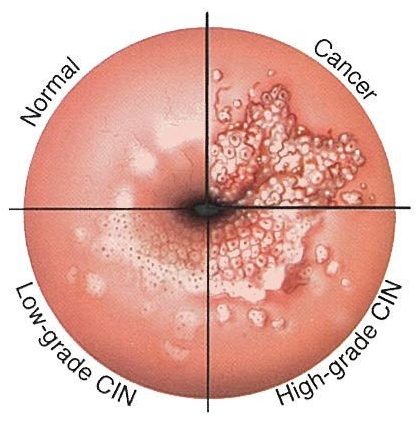 Cervical cancer starts as cervical dysplasia, or abnormal cellular growth. A precancerous condition known as Cervical Intraepithelial Neoplasia (CIN), has gradations of severity, from mild, or low-grade (CIN 1), to moderate, or high-grade (CIN 2) and severe (CIN 3). It may then worsen to carcinoma-in-situ, which is borderline cervical cancer. From there, it is only one-cell layer away from being cervical cancer.
Dysplasia means “abnormal growth.” The cells are abnormal. There is very little difference between a cancer cell, and a dysplastic cell, or an “abnormal cell.” Cervical dysplastic cells are essentially cancerous cells, though we refer to them as pre-cancerous cells. Despite this, cervical dysplasia is not considered cervical cancer because of the depth of penetration of the abnormal cells. Think of layers of the epidermis. There are several layers of cells of the epidermis down to the basement layer, below which is the dermis with collagen fibers and blood vessels, etc. The same with the cervix. How many layers of cells the abnormal cells fill up determines the stage of dysplasia, along with the abnormality of the cells themselves.
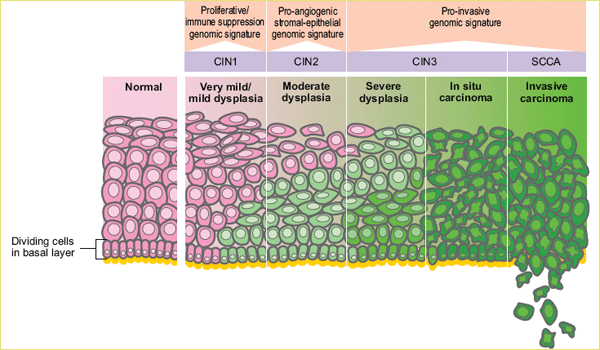
If the dysplastic cells cross below the basal layer, or basement membrane, of the cervix, then cancer is diagnosed, and the outcome and treatment is quite different than for just cervical dysplasia.
How rapidly cervical dysplasia progresses into cervical cancer depends upon the particular viral strain of HPV present, as well as the state of one’s immune system. A weakened immune system will be unable to inhibit the virus, let alone be able to destroy developing cancerous cells.
Human Papilloma Virus is Ubiquitous
In my gynecological practice I saw abnormal pap smears and/or cervical dysplasia multiple times per week. Every day, I had multiple patients who had a history of abnormal Pap smears due to HPV. It is truly a ubiquitous infection, as are hundreds of other viruses that we as humans contract and carry throughout life. The vast majority of these viruses are suppressed due to an intact immune system; which is why AIDS is such a devastating disease, as it allows the many dormant viruses to replicate and express themselves as active diseases.
Human Papilloma Virus is transmitted sexually, which unfortunately caused some of my patients to feel embarrassed and unnecessarily defend their reputation to me. One particular patient was indignant that she had “a sexually-transmitted disease,” stating that she had only ever had sex with her husband! I reassured her that HPV is so ubiquitous that it does not require multiple sexual partners to acquire, and can be acquired from a single sexual encounter.
 Human Papilloma Virus (HPV) is transmitted through genital-to-genital, and genital-to-mouth sexual contact. A person will not be infected with HPV if there is never any sexual contact. But, even one sexual partner provides a near 50% chance of acquiring HPV.(3) The odds of being infected with HPV go up with each new sexual partner, or with the more sexual partners their partner has ever had.
To emphasize, even if neither person in a couple were not ever promiscuous, as long as at least one of them had at least one other sexual partner at some point in their life, it is enough to acquire HPV. HPV is so common that all women are recommended to be routinely screened with Pap smears, and being diagnosed with HPV or cervical dysplasia is nothing to ever be embarrassed about.
There are over 100 strains, or sub-types of HPV, some more virulent than others; and it is a random occurrence as to which of the many HPV strains a person contracts. The various strains of HPV are identified by the virus’s DNA, with HPV strains 16 and 18 being associated with 70% of cervical cancers. Other high-risk HPV viruses include 31, 33, 45, 52, and 58. HPV sub-types 6 and 11 are associated with 90% of genital warts. A person can be infected with several strains of HPV simultaneously, which is why a person with condyloma acuminata is considered at increased risk of cervical and vulvar cancer. (And penile cancer in men with a history of genital warts.)
HPV Vaccination
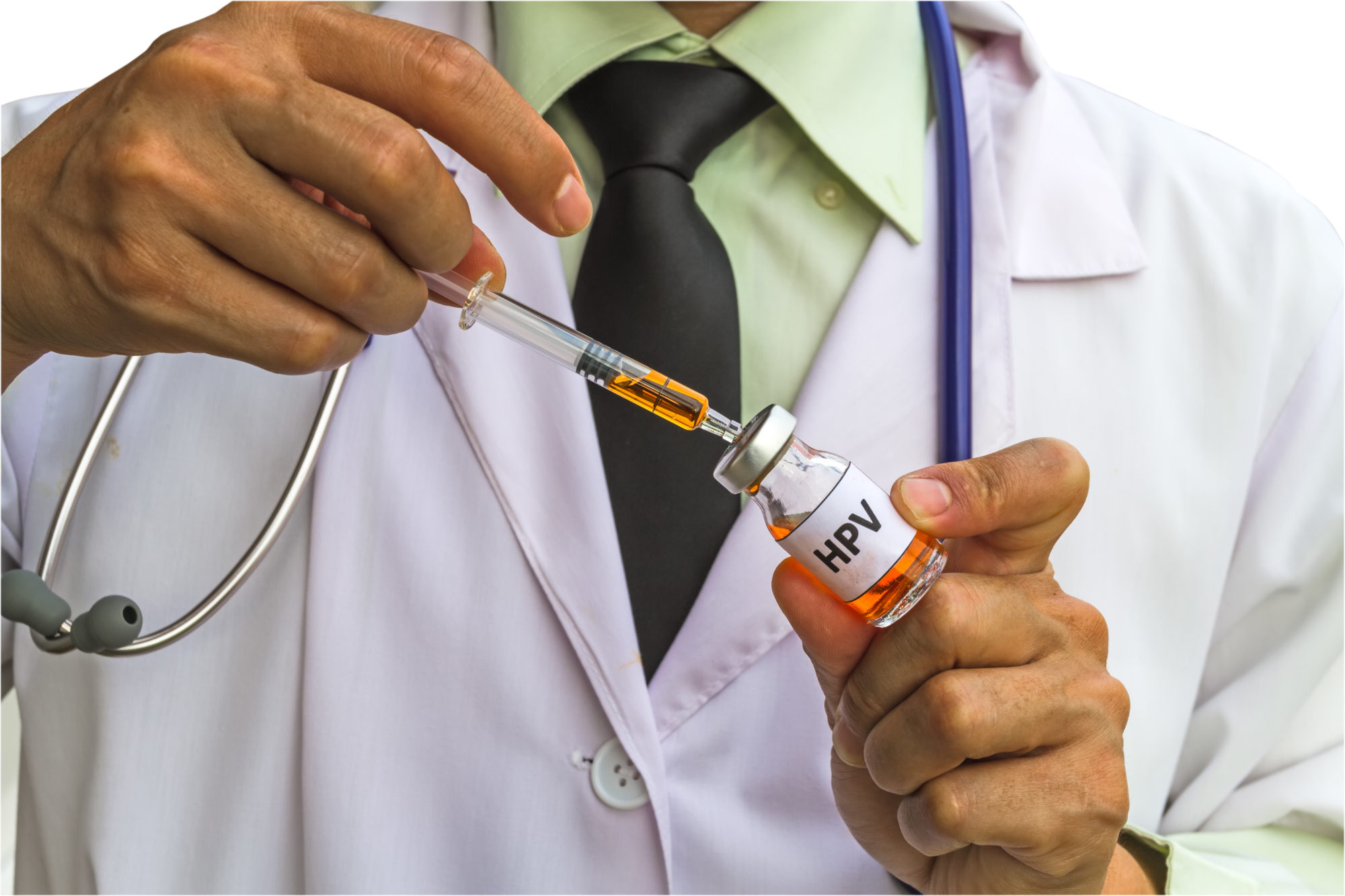 There are now three vaccines against HPV on the market, and are recommended to both young virginal teenage, or even pre-teen, boys and girls. The HPV screening, and vaccinations are considered effective in reducing HPV infection from many sub-types, especially when given prior to the onset of sexual activity.(4)
According to the CDC, all three HPV vaccines, Gardasil 9, Gardasil, and Cervarix are safe, effective, and recommended for all prepubescent children. HOWEVER, contrary to “settled science,” and the revelations of research fraud over the safety of vaccinations, in January 2016, the American College of Pediatricians released a statement warning against the dangers of Gardasil, the first vaccine on the market. (5)
One of the many concerns over HPV vaccines is uncommon complication of ovarian dysfunction; which is ovarian failure, or menopause. The result is anovulation, and therefore infertility. Gardasil contains Polysorbate 80, which was known to cause ‘adverse reproductive effects’ in animal studies. This uncommon side effect is often masked by birth control pills, as without them a young woman would easily realize the absence of periods.
In April 2014, the French medical doctor, Bernard Dalbergue, who is a former pharmaceutical industry physician with Merck, the manufacturer of Gardasil, stated, “I predict that Gardasil will become the greatest medical scandal of all times because at some point in time, the evidence will add up to prove that this vaccine, technical and scientific feat that it may be, has absolutely no effect on cervical cancer and that all the very many adverse effects which destroy lives and even kill, and serve no other purpose than to generate profit for the manufacturers.”(6)
After obtaining a series of emails via a Freedom of Information request, in January 2016, Sin Hang Lee, M.D., director of the Milford Molecular Diagnostics Laboratory in Connecticut, essentially proved Dr. Dalbergue’s prediction correct in a report he sent to the CDC, the W.H.O., the Ministry of Health in Japan, and others, with documentation of “scientific misconduct” among the world’s leading health organizations tasked with providing vaccine safety, by deliberately misleading Japanese health authorities on the safety of HPV vaccines.(7)
In 2012, Dr. Lee, a practicing pathologist for over 50 years, and Director of Milford Molecular Diagnostics, Milford, Connecticut, was called to examine the death of Jasmine Renata in New Zealand, who died 6 months after receiving the Gardasil vaccine.
 Dr. Lee wrote: “The finding of these foreign DNA fragments in the post-mortem samples six months after vaccination indicates that some of the residual DNA fragments from the viral gene or plasmid injected with Gardasil have been protected from degradation in the form of DNA-aluminum complexes in the macrophages; or via integration into the human genome.
Viral and plasmid DNA fragments are known to activate macrophages, causing them to release tumor necrosis factor, a myocardial depressant which can induce lethal shock in animals and humans.”(8)
Due to laws passed by congressmen and senators, in the United States Merck, the maker of Gardasil, gets a free pass on harm caused by the HPV vaccine, as they cannot be sued for damages, nor be held legally liable; and reporters who attempt to release unfavorable stories about the vaccine are stifled or fired. The very health institutions, the bastions of authorities we turn to for health information and recommendations, such as the CDC and National Institute of Health (NIH), actually receive royalties from vaccine sales. And, you can guess HOW such laws to protect the pharmaceutical giants got passed. Do you even question whom our congress serves and protects?
Young women are losing their fertility, and both young women and men are also dying from the HPV vaccine. To see a partial list, and faces of some of the victims from around the world, whose lives were cut short, check out SaneVax, Inc.’s website (click here), an organization that is dedicated to warning parents about the dangers of the HPV vaccine.
I personally know two families who lost their young daughters to the HPV vaccine. Their healthy young daughters go in for the recommended vaccine, and within days in one case, to a few weeks in the other, they are holding funerals.
So, are we really protecting our youth from cervical cancer? How many women were lost to cervical cancer (caused by HPV) prior to June 2006, when Gardasil was first introduced?
In 2005, the number of new cervical cancer cases in the United States was 10,370. The incidence rates had steadily declined over the past several decades in both white and black women as Pap screening had become more prevalent, detecting precancerous (cervical dysplasia) lesions, and treating them before they advanced to invasive cancer.(9)
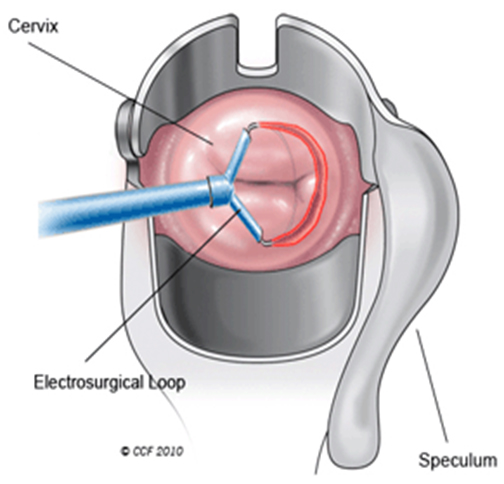 As for deaths, an estimated 3,710 women died from cervical cancer, a number that has also steadily declined with more prevalent early detection via Pap smears and biopsies, followed up by LEEP or cone biopsies. Most deaths occurred among women who did not get regular Pap screening, and/or didn’t follow up with treatment of abnormal findings.
In summary, prior to HPV vaccines, in 2005 in the United States there were 10,370 new cases of cervical cancer, and 3,710 deaths. Let’s compare that to 8 years post-introduction of the HPV vaccine. According the CDC, in 2013 (the most recent statistics available at the time of the writing of this article), the incidence of cervical cancer was 11,955, and deaths were 4,217; essentially, unchanged at best, and possibly worse!
I realize that not all young people are vaccinated, especially with only half of the doctors in the U.S. recommending HPV vaccinations, and the numbers from 2005 to 2013 is not a fair comparison of the effectiveness of the vaccine, …so, what is the option? To have ALL young children vaccinated against HPV, and then see what the incidence of cervical cancer is? Yes, that is theoretically possible, and it may cut the incidence of cancer considerably, but at what cost to human life and sky-rocketing infertility rates? Are we going to lose our young sons and daughters to the vaccine in order to save them? And, those who don’t die, will they be infertile, or have other side-effects of the HPV vaccine? It makes one almost believe in a depopulation conspiracy agenda for profit. It would only make sense to vaccinate if it helped without causing harm, the first rule of medicine.
The possible documented side effects of Gardasil HPV vaccine include: seizures, strokes, dizziness, chronic fatigue, weakness, headaches, stomach pains, vomiting, Guillain-Barre syndrome, joint pain, autoimmune disease, chest pains, hair loss, appetite loss, personality changes, insomnia, tremors, shortness of breath, heart problems, lasting paralysis, itching, rashes, swelling, aching muscles, pelvic pain, nerve pain, menstrual cycle changes, premature ovarian failure (infertility), fainting, swollen lymph nodes, night sweats, nausea, temporary vision and hearing loss, and death.
Am I overstating the risks, and causing undue fear? No, not if it is your child! So, what are the options? Sexual abstinence, or life-long sexual partnership between two virgins? Not likely for the majority of the population; not these days, anyway.
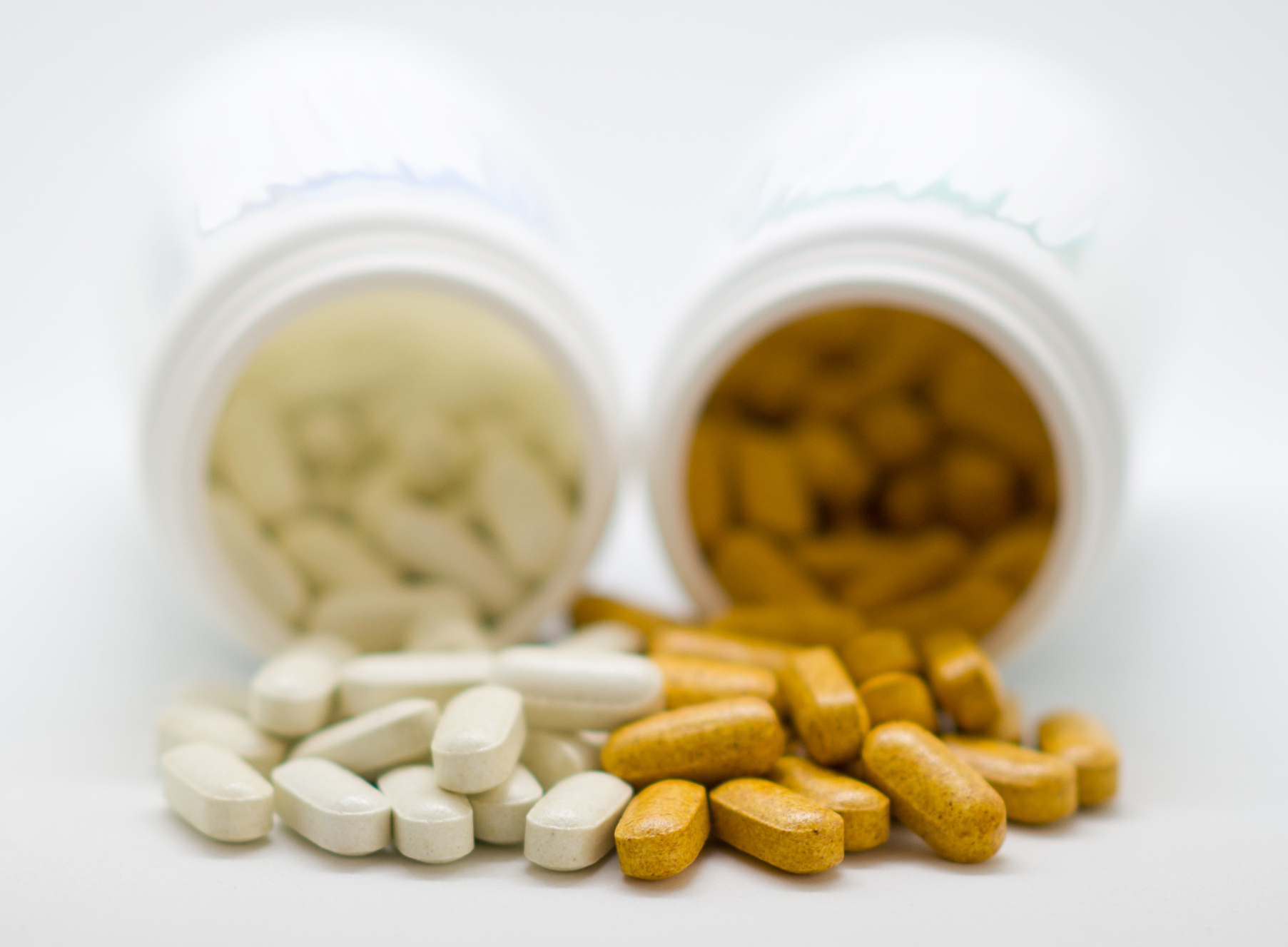 I would suggest routine annual Pap smears, and treatment as necessary. Do you swab for HPV strains? How will that change anything, other than to make sure you continue to get routine Pap smears, and treat as necessary? I would suggest putting your children, your teenagers, and yourselves, on a high-quality nutritional supplement program, every day for life. After you read the benefits of the micronutrients in inhibiting HPV and preventing the progression of cervical dysplasia below, I think you would agree with this sensible suggestion.
Other risk factors for cervical cancer besides HPV infection, are smoking, suppressed immune system, increased stress, corticosteroids, and HIV infection. The last three (stress, steroids, and HIV infection, are all just reasons for a suppressed immune system).
Crystal’s Experience with Cervical Cancer and Supplements
I want to share Crystal’s success story with nutritional supplements after being diagnosed with advanced cervical cancer, that is cancer that was already found to involve the pelvic lymph nodes at the time of initial surgery. She did not have it an easy time of it, and could have easily died, but she is now living a healthy, active, joyful life 5 years after a life-altering diagnosis. Here is her story —
“My name is Crystal. I have a background in the Fashion industry as a Makeup Artist & Designer. I’m a huge animal advocate, and I am a cancer survivor. I thought I was pretty healthy, and then one day I received the news that changed everything.
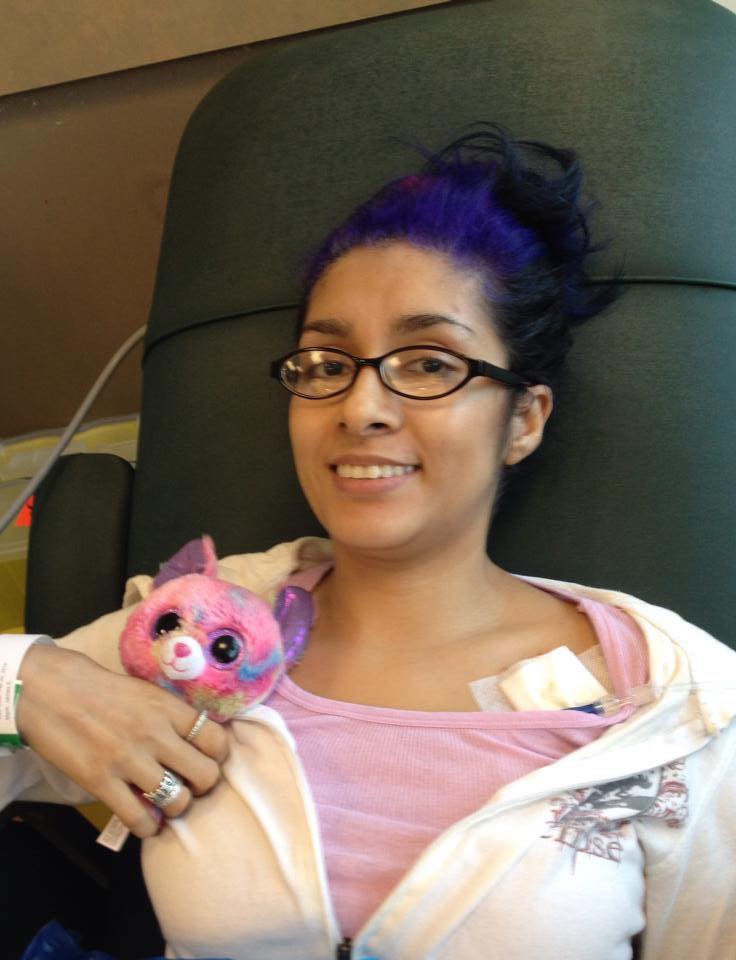 “In July of 2013, I got the news that cervical cancer had been growing in my pelvis. Getting the “cancer” diagnosis is never something anyone wants to hear about anyone especially themselves. But, from the moment of my diagnosis I chose never to take on the victim role. This was just something in my life at the time that was there to make me stop and think. The diagnosis was stage 1B1, which is an early stage, but the so called “cure” for it was a radical hysterectomy. All the doctors we spoke to pretty much said this was the best option for my diagnosis.
“Of course, that meant no children. I was in the middle of planning my wedding, so I had to take a moment to really decide if that was what I wanted to do. I didn’t immediately go thru with the surgery, because I felt I needed to do some soul searching first. I was reading books by Dr. Wayne Dyer and he spoke of a woman who had an amazing cancer story. Anita Moorjani had faced death, went to the other side, and came back. She really inspired my outlook from the beginning. Her battle and victory with stage 4 lymphoma was just what I needed to hear.
“In December, at the time of hysterectomy, 7 of my lymph nodes were positive for cancer, meaning the cancer had spread. Waking up to this news was a bit disappointing, but I was still ready to fight. The next step was to have chemotherapy and radiation-external & internal.
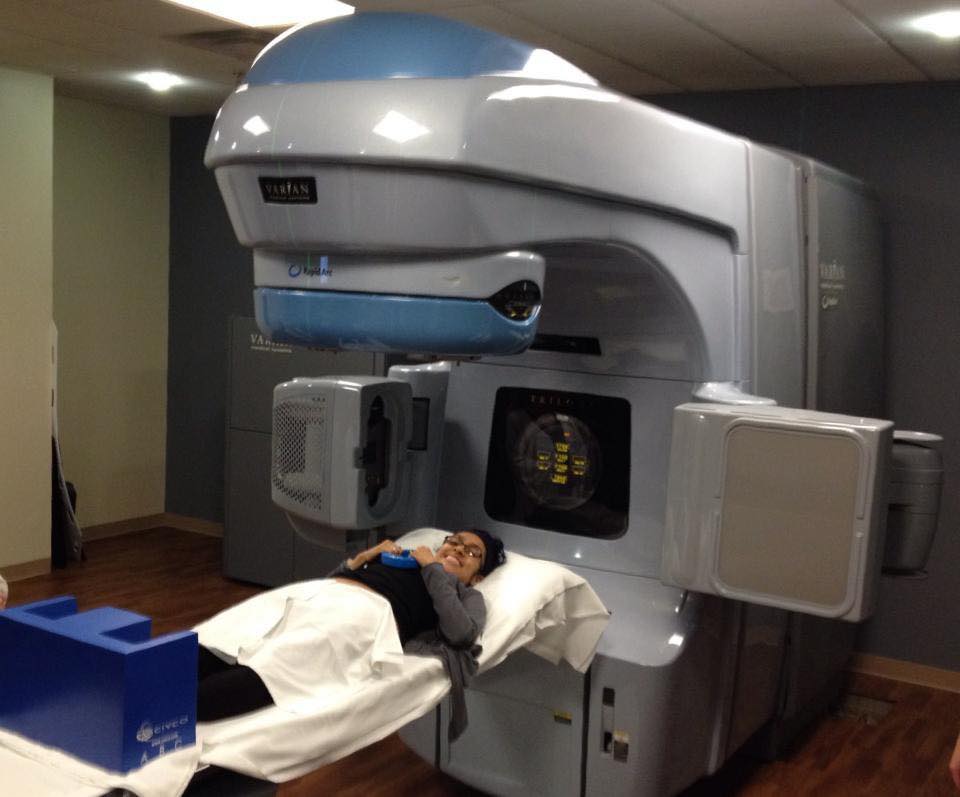 “Throughout the treatment I had been feeding my soul reading & listening to many different books. I was working on my inner self because the “cancer” wasn’t a disease, but a dis-ease in my body. Lots of Louise Hay, Wayne Dyer, other meditation & spiritual authors. Also, meditating as much as I could, & lots of forgiveness work to help let go of things. Forgiveness is a big key to finding peace within, because people tend to just hold it all in & then it manifests into a physical thing.
“Also, I was on a super high dosage of nutritional supplements from our company, which are the best products out there that I could have been on. I am extremely grateful that I have this company in my life because I know that the products really have supported my treatments and my recovery!
“Another thing I’ve been utilizing is my prayers & work with the Angels & my guides. We have so much support around us all day every day! I’m so grateful to have the love & support of my spiritual family as well as my physical family!
“My head has always been in the right space despite the few moments of weakness, so I had the positive mindset throughout this whole time. I have the faith that my prayers will be answered, and that I continue to heal. I’ve learned a lot and keep learning about life.
 “Having gone through this I have a new perspective about life and how I want to live it. This has been more than just a physical journey, but a major spiritual one as well, and I’m so happy to have found this new path in my life.
“5 years have passed, and I’ve been living a better, healthier, more impactful, and of course fashionable life! I continue to work on myself and grow, AND also keep myself as healthy as possible, continuing to take the products that make me feel amazing… (and I also give them to my animals so they can be healthy and fabulous too).
“To Living a Fashionable Healthy Life!
Xoxo, Crystal
Grape Seed Extract and Other Flavonoids
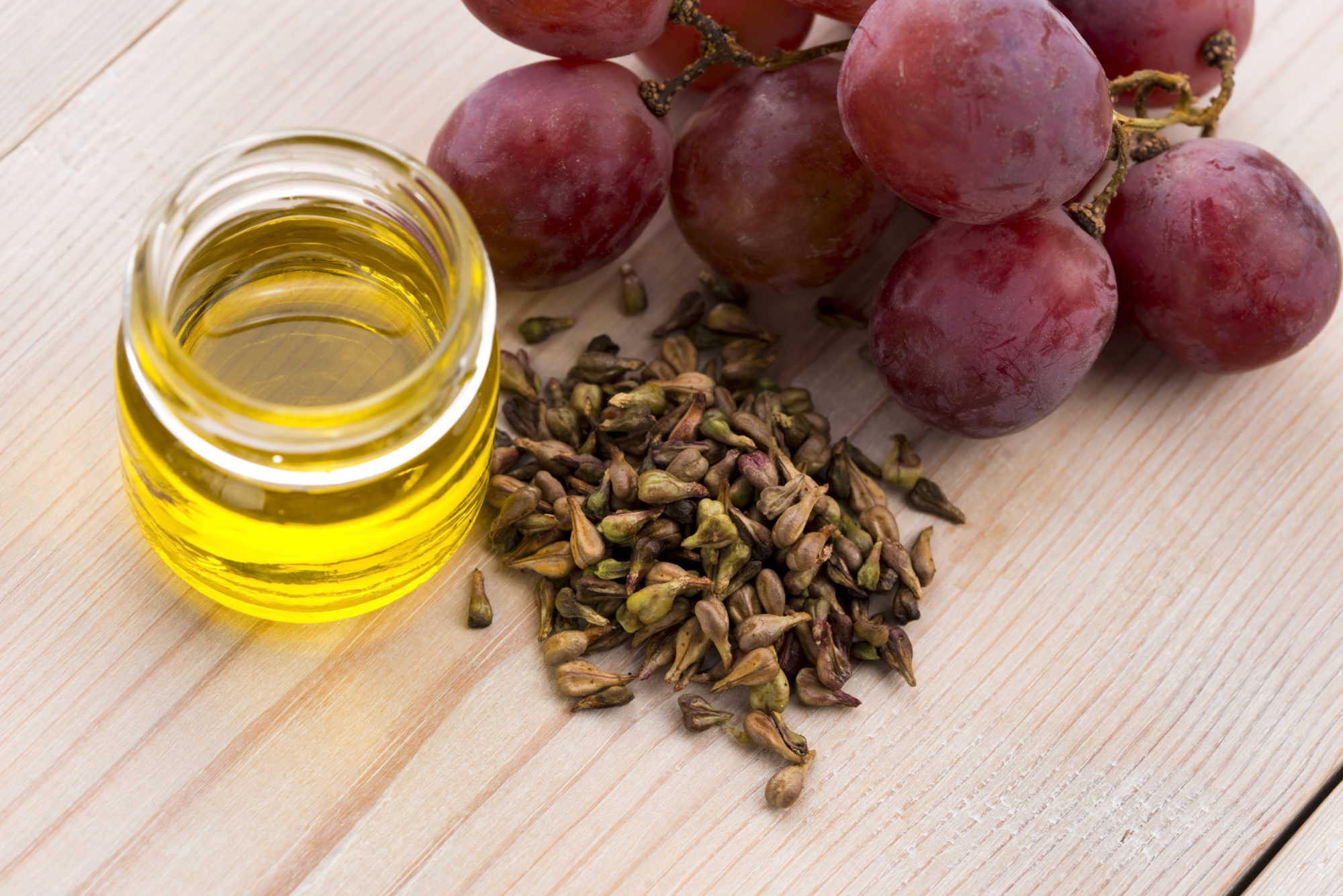 In addition to taking a foundation of high-quality vitamins, minerals, and pure fish oil (omega-3 fatty acids), I suggest a wide variety of antioxidants to inhibit both HPV infection, replication, and development, and progression of cancerous cells.
Among those antioxidants is grape seed extract. It became one of the most important antioxidants within my protocols due to its effectiveness and safety. Grape seed extract is a class of polyphenol antioxidants known as proanthocyanidins. Polyphenols are powerful micronutrients that help inhibit the development of nearly all chronic diseases, in part due to their powerful antioxidant capabilities.(11)
Polyphenols (including grape seed extract) exert numerous beneficial and protective effects upon healthy cells, and destructive effects on abnormal or cancerous cells, as well as on bacteria, viruses, and fungi. (12 – 18) Grape seed extract works best when combined with vitamin C.
Grape seed extract and resveratrol, both derived from the red grape, provide benefits in protecting against both cancer development and progression by inhibiting cancer growth, and inducing cancer cell death, a process known as apoptosis.(19 – 21) Anything that helps inhibit or destroy cancer cells, will inhibit or destroy dysplastic (dysplasia) cells, as precancerous cells are essentially cancerous cells.
High-Dose Grape Seed Extract is Safe
There is no known toxic dose to grape seed extract. The only real side-effect to be aware of is a possible osmotic diarrhea if one were to take a high dose (> 500 mg) all at one time, because the intestines can only absorb so much at any given time. That is why it is best to spread out dosages of most supplements throughout the day. Not only does that allow better absorption, but it allows for sustained blood levels and all-day nourishment and antioxidant protection.
Grape Seed Extract Causes Self-Destruction of Cancer Cells
Studies even prior to 1997 were reporting the many benefits of grape seed extract, or oligo-proanthocyanidins (OPC), in suppressing HPV, dysplasia, cervical cancer, and the induction of apoptosis (self-destruction of cancer cells). Grape seed extract targets a mechanism within the mitochondria of cancer cells, that disrupts the production of the all-important energy molecule, ATP. Mitochondria then release a chemical that triggers the cancer cells to implode and undergo autophagy and apoptosis.(22) Grape seed extract induces self-destruction (apoptosis) of cervical cancer cells, by disrupting the mitochondria in cancer cells, while protecting the function of healthy cells.(23)
 For any cell to duplicate, DNA is transcribed into RNA, which codes for protein synthesis. There programmed DNA sequences for cancer called oncogenes, and oncomirs are the RNA counterparts.
Oncomirs are microRNAs (miRNA) associated with development of cancer and malignancies. Stopping oncomirs is one way to stop some cancers. Oncomirs have become a target for some cancer treatments. It is also one of the several ways that grape seed extract inhibits cancer development.(24)
Studies have revealed grape seed extract and various other phenol antioxidants’ ability to suppress HPV in both cervical cells and in oral squamous cells.(25, 26)
Resveratrol Works Synergistically with Grape Seed Extract
Resveratrol comes from the skin and pulp of the red grape, and perfectly complements grape seed extract for reducing cardiovascular disease, as well as inhibiting HPV, preventing cervical dysplasia, and of course, prevention and adjunctive treatment of cervical cancer. As with grape seed extract, resveratrol has been shown to induce autophagy and apoptosis of cervical cancer cells.(27) (The foundational vitamin-antioxidant supplement I suggest in the protocol, provides resveratrol, along with many other beneficial synergistic micronutrients.)
In 2009, a study conducted in Hawaii among 122 women with persistent HPV infection within the cervix, sought to determine the effects of vitamin, mineral, and antioxidant blood levels have on the clearance of HPV infection from the cervix. The researchers found that there was a correlation between certain micronutrients and HPV clearance. Those women with the highest blood levels of zeaxanthin, lutein, cryptoxanthin, lycopene, beta carotene, total carotenoids, and tocopherol (vitamin E), were able to clear HPV infection much faster than those women with lower levels of the micronutrients.(28)
Numerous Micronutrients Work Synergistically to Fight Cancer
Several of the above-named micronutrients are provided within a high-quality vision support supplement, as well as by the high-quality vitamin-antioxidant supplement suggested within my protocols. Therefore, by following my protocols, one would be getting a very broad spectrum of potent and effective micronutrients, all of which will help inhibit and reverse cervical dysplasia, as well as inhibit and destroy cervical cancer cells, among the many other health benefits that would come with long-term use. For those undergoing cancer treatments, they can greatly benefit regarding energy and support of the immune system.
Olive Extract Suppresses the Virus that Causes Cervical Cancer
 Luteolin, not to be confused with lutein, is a phenol flavonoid antioxidant found in olive fruit extract. It has been found to suppress replication of the Human Papilloma Virus by binding to a viral protein (E6) that is necessary for viral replication.(29, 30)
Micronutrients within green tea extract inhibit HPV-16-induced angiogenesis (blood vessel growth for feeding abnormal cells). HPV-16 is one of the most virulent of the HPV viral strains, causing cervical dysplasia and cancer.(31) Angiogenesis is the “creation of blood vessels,” which is needed for cancer progression. For cancer cells to grow and spread, they require a rich blood supply. Cancer cells signal the creation of new blood vessels, which is what angiogenesis means. Angiogenesis is a critical component for cancer growth and invasion. Many micronutrients, including green tea extract, olive extract, grape seed extract, resveratrol, and turmeric extract, all suppress angiogenesis, and therefore inhibit the invasion and spread of cancer.
Green Tea Extract and Quercetin Suppress HPV and Causes Destruction of Cancer Cells
Like grape seed extract and resveratrol, green tea extract also induces apoptosis (self-destruction) of cells infected with HPV, meaning dysplastic and cancerous cells.(32) It also suppresses the HPV-viral binding protein E7.
Quercetin, a bioflavonoid antioxidant provided in broccoli extract, suppresses the expression of both E6 and E7 HPV viral proteins, preventing HPV-16 infected cells from replicating and progressing into dysplasia, and dysplastic cells from progressing into cancer, and prevents cancer cells from replicating.(33)
A high-quality ‘liver support’ supplement that I suggest in my protocol, along with a high-quality vitamin-antioxidant complex, provides many of the micronutrients mentioned above, such as turmeric extract (curcumin), olive extract, green tea extract, quercetin, resveratrol, as well, as alpha lipoic acid, N-acetyl-L-cysteine, and many others.
Beta Glucans (Derived from Mushrooms and Baker’s Yeast)
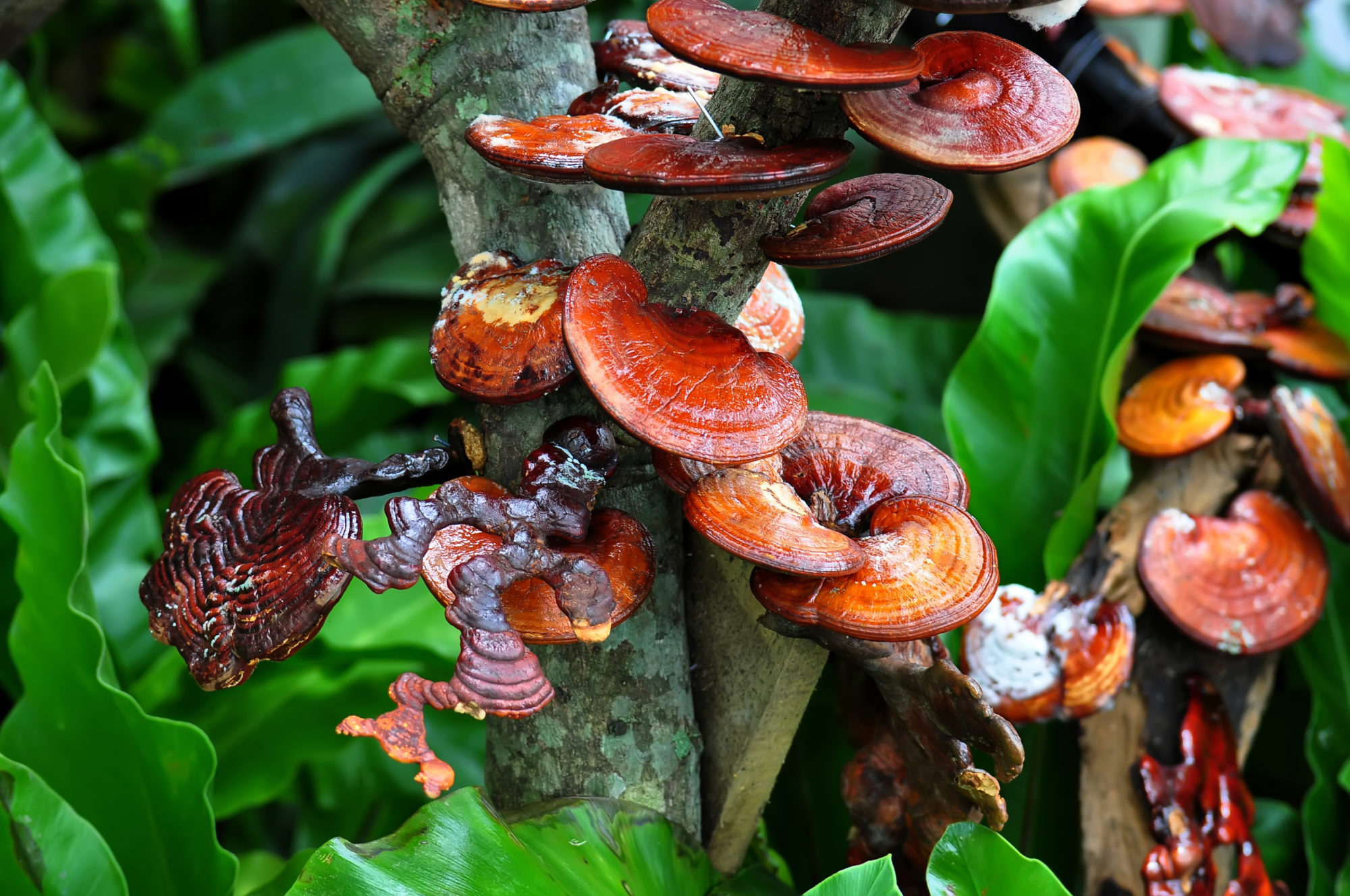 Beta glucans are fiber polysaccharide micronutrients derived from the cell membranes of the Reishi and Shiitake mushrooms, as well as from baker’s yeast extract (Saccharomyces cerevisiae). Beta glucans have powerful immuno-modulating properties; which means, they activate and support normal functions of the immune system. The immune system is key in preventing and destroying cancer cells, let alone bacterial, viral, and fungal infections.
Beta glucan polysaccharides do not breakdown in the gut, and therefore do not have any impact on blood glucose levels, nor provide any effective calories. As a side-benefit, beta glucans act as prebiotics for digestive bacteria, improving the state of the microbiome (gut flora).
Beta glucans’ main benefits are that they exert antioxidant, anti-inflammatory, and immuno-modulating activities. Within the intestinal wall, beta glucans stimulate the white blood cells (macrophages) of the immune system to aggressively go after foreign invaders, such as bacteria, to prevent them from entering the bloodstream.
Beta Glucans Activate the Immune System to Kill Viruses, Bacteria, Yeast, and Cancer Cells
Beta glucan polysaccharides are quite impressive micronutrients; not only for their anti-microbial, anti-viral, anti-fungal effects, and anti-cancer effects, all due to activation of various immune system pathways, but if that weren’t enough, they also demonstrate anti-diabetic, anti-obesity and anti-depression properties.(34)
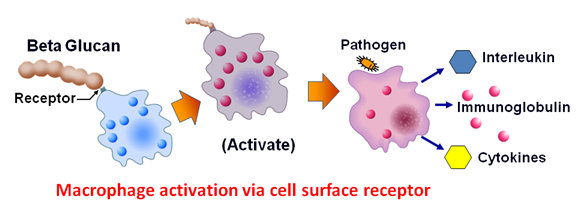
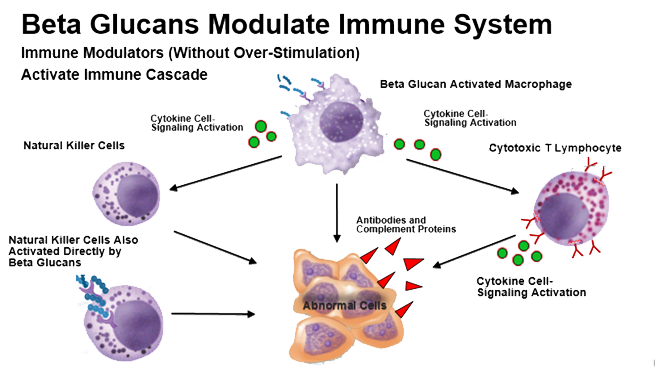
Beta glucans distinct molecular structure allows them to bind to cell membrane receptors on white blood cells, including macrophages, natural killer cells, and T lymphocytes, to aggressively attack and destroy many types of abnormal cells, among them, cervical, lung, and breast cancer cells.(35, 36)
Unlike chemo drugs, when micronutrients are found to work effectively against one type of cancer, they often are effective against other types of cancer and abnormal cells. Therefore, it is encouraging to learn of how various micronutrients work to inhibit various types of cancer, as the same micronutrients one can use to inhibit cervical dysplasia, should also help reduce the risk of other cancers, let alone heart disease, stroke, diabetes, and more.
Macrophages are white blood cells that gobble up and “digest” bacteria, dysplastic, and cancerous cells, whereas natural killer cells are white blood cells that destroy, bacteria, dysplastic, and cancerous cells by triggering the release of cytokines, signaling hormone-like chemicals that either disrupt their cell membranes and/or induce apoptosis (self-destruction) of the abnormal cells.
Beta glucans activate all types of white blood cells to act via their respective mechanisms, and thereby prevent and reverse dysplasia and cancerous cells. Beta glucans are even able to assist in cancer therapies, such as in cases of advanced breast cancer, where white blood cells (monocytes) are usually suppressed.(37, 38) An animal study showed that beta glucan supplementation even has a strong anti-cancer effect in reducing melanoma, and improving survival rates in such a tough cancer.(39)
 Beta glucans work synergistically with other supplements, that is, they work better together to kill cancer cells than any of the micronutrients would individually. Some of the micronutrients shown to work synergistically with beta glucans, are resveratrol, and vitamin C; but there is no reason all other antioxidants, such as curcumin (turmeric extract), olive extract, green tea extract, quercetin, grape seed extract, N-acetyl-L-cysteine, etc., would not also work synergistically with beta glucans.(40)
Beta glucans trigger the adaptive immune system, by activating cytotoxic T lymphocytes, which bind to complement factors and antibodies, which in turn attach to, and ‘target’ cancer cells.
The most significant thing about beta glucans is, that they activate the immune response when needed to defend the body, while at the same time do not cause an abnormal “over-reaction,” as is seen with autoimmune disorders. (A word of caution– until we have further clarification from medical studies, those with autoimmune disorders would be wise to hold off on taking a beta glucan supplement, just in case it might cause a flare up. It may not, but we don’t quite know yet. I have heard it both ways.)
Beta glucans are helpful during chemo and radiation therapy, as they can better potentiate the cancer-killing effect when used in conjunction with cancer treatment.(41) They are currently being used in many countries in conjunction with traditional cancer therapies, with great success.
Beta Glucans Kill Cancer Cells and Protect Normal Cells During Chemotherapy
Not only do beta glucans enhance the cancer-killing effect of chemotherapy, they also protect healthy cells from the toxic effects of the chemotherapy drugs. Beta glucans help prevent immuno-suppression, that is prevent, or at least minimize the drop of the white blood cell (WBC) count in those undergoing chemotherapy.(42) This means less chance for infections following chemotherapy. Beta glucans taken during chemotherapy also decrease the side-effects of cancer treatment.(43)
The most devastating development of any cancer is its ability to invade surrounding tissues and metastasize beyond the point of origin. Ultimately, it is the invasion of cancer that ultimately kills. Fortunately, numerous micronutrients collectively work to inhibit invasion and metastases of cancer in the various ways mentioned above. For example, selenium works synergistically with beta glucans to help destroy bacteria, viruses, fungi, and cancer cells.(44) (By the way, selenium is provided in the foundational high-quality chelated mineral supplement listed in my protocol.)
Even for those not dealing with cervical dysplasia or cervical cancer, beta glucans are not a bad idea to take routinely for life, as they help ward off colds and flus, boost mood, and help reduce the risk of developing all other cancers.
Curcumin (Turmeric Extract) Prevents and Kills Cancer Cells
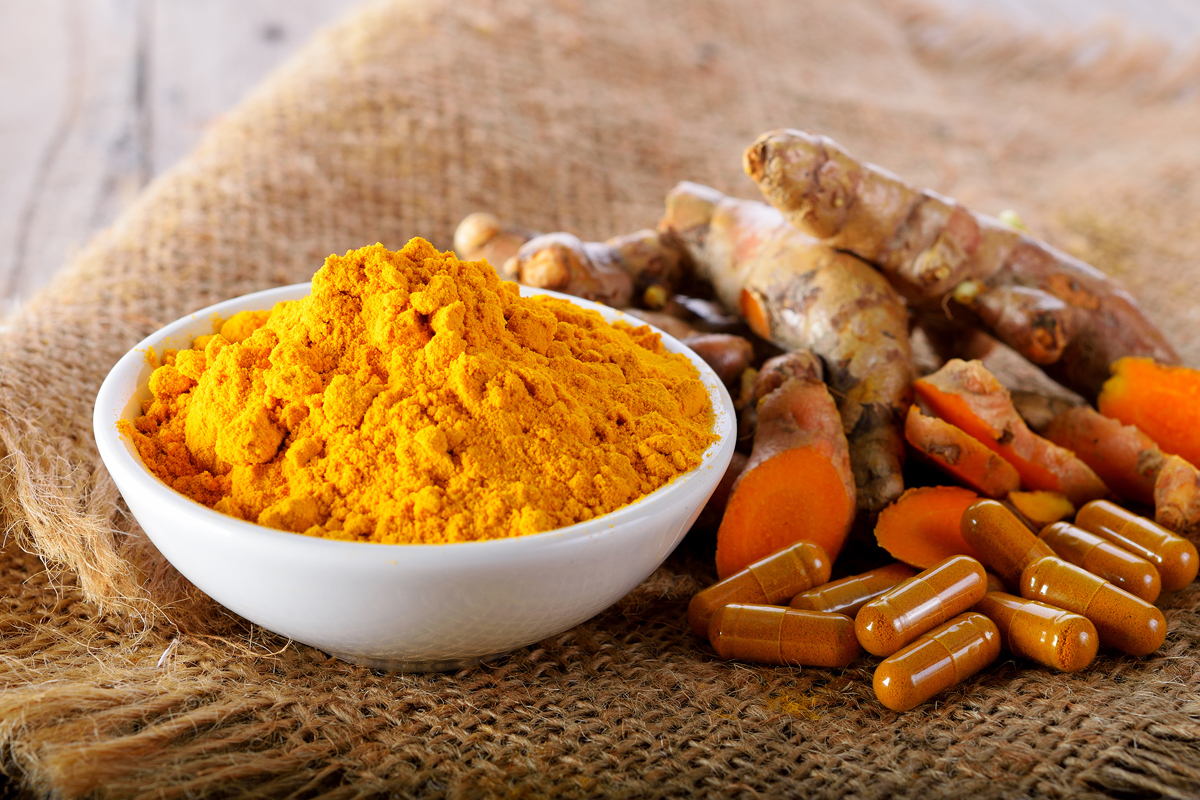 Curcumin is a polyphenolic micronutrient extracted from the spice, turmeric. It holds a mixture of strong bioactive molecules known as cucurminoids, that have the ability to inhibit cancers and tumors at all stages of development; including initiation, progression, invasion, and metastases.
Curcumin effectively inhibits the cell cycle and growth of cancer cells. It induces apoptosis (self-destruction) of cervical cancer cells, in part by modulating entities such as miRNAs (oncomirs), transcription factors, and proteins associated with carcinogenesis, and damaging the DNA of cancer cells.(45) Curcumin has shown an anticancer effect against many cancers thus far, including, but not limited to, colon, cervical, uterine, ovarian, breast, prostate, head and neck, pulmonary, oral, esophageal, gastric, pancreatic, bladder, and bone cancers.(46) Even more than beta glucans, curcumin’s benefits extend well beyond its anti-cancer effects.
Curcumin Inhibits HPV, The Virus That Causes Cervical Cancer
Curcumin has been extensively studied for its inhibitory effect on HPV infection, as well as on primary and malignant cervical cancers. Curcumin has been shown to have preventive and anti-cancer effects against both HPV-related and non-HPV-related cervical cancers.(47, 48) Curcumin is able to counter the cell-signaling effects on cervical cells triggered by smoking and estrogen, which are factors in women who experience persistent HPV infections and cervical cancer.
One of several mechanisms by which curcumin exerts its anti-cancer effect on cervical dysplasia and cancer is to induce apoptosis (self-destruction) by causing DNA damage and disruption.(49) But curcumin is poorly absorbed in the intestine, and at high doses it can cause gastrointestinal discomfort (gas, bloating, diarrhea). This is why curcumin is best provided as nano particles encased in liposomes, making it highly absorbable and bio-available, allowing for biological effects at relatively reduced doses, virtually eliminating gastrointestinal side-effects.
Curcumin exerts powerful anti-cancer effects. However, when combined with other micronutrients, such as resveratrol derived from the red grape, and epicatechin gallate, extracted from green tea, each with their own anti-cancer effects, the combination has a synergistic anti-dysplasia and anti-cancer effect that is more powerful in killing dysplastic and cancer cells than any of them individually. When curcumin is combined with green tea extract, and/or resveratrol, it not only suppresses HPV, it eliminates HPV dysplasia and cancer cells, as well as cervical cancer cell progression, more effectively than by curcumin alone.(50)
Supplements and Cancer Treatment Considerations
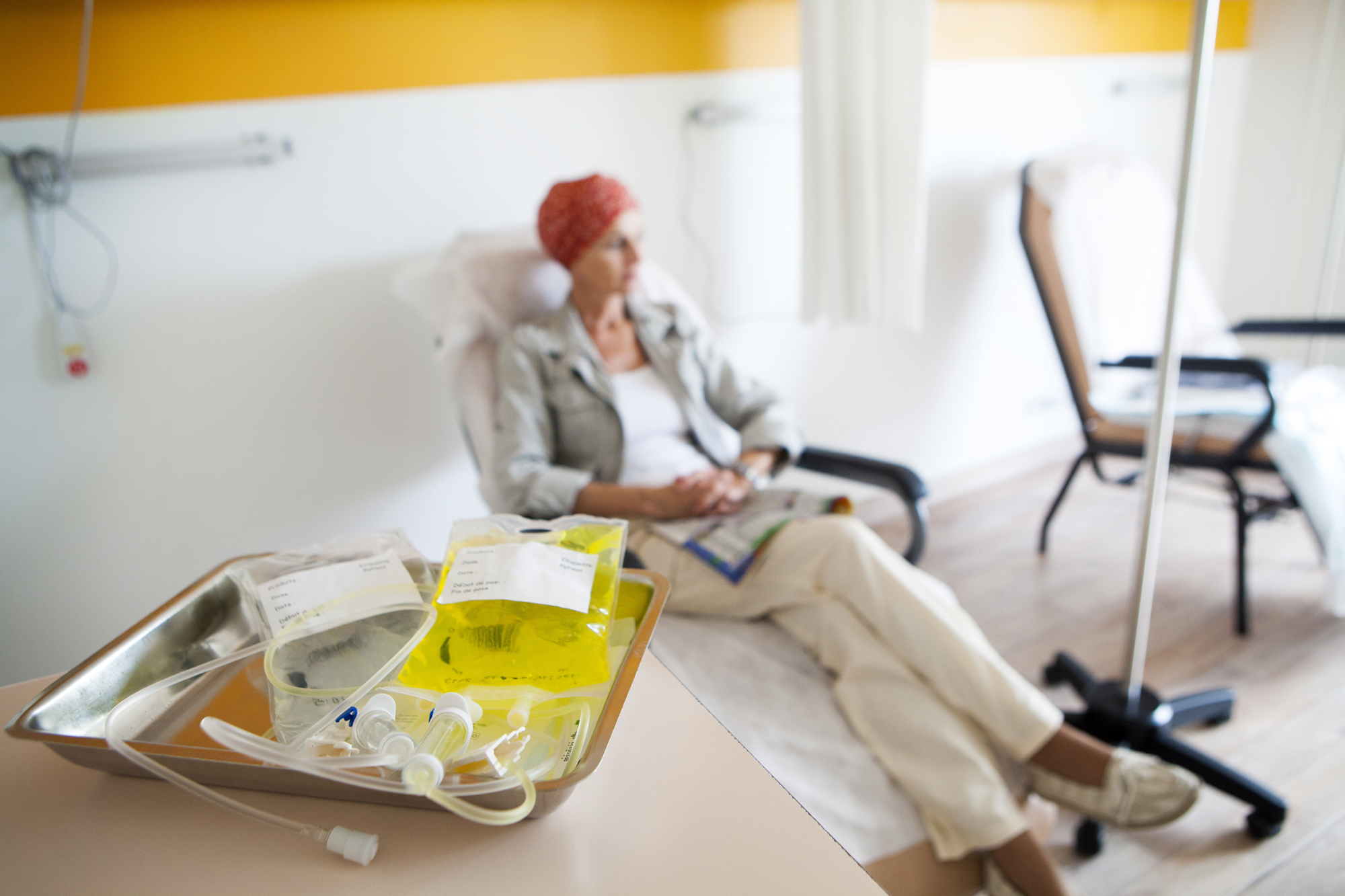 In addition to what I wrote above about the many benefits of using certain micronutrients in conjunction with cancer treatments, there are a few issues to be aware of; and of course, all of which must be discussed with one’s doctor. The benefits are too well documented to be ignored, and should be taken seriously by everyone involved in your care.
The current standards of care for cervical cancer includes surgery, radiation, chemotherapy and immunotherapy. The main problem with chemotherapy is that it often fails to achieve desired results, and it causes severe systemic toxicity. As with other cancers, cervical cancer develops a resistance to both chemotherapy and radiation therapy.
In a study involving pre-treatment with curcumin, resveratrol, and green tea extract before radiation therapy, researchers demonstrated increased effectiveness in inhibiting and killing of cervical cancer cells.(51) The cervical cancer cells were less likely to develop a resistance to radiation therapy. In another study, treatment with curcumin both prior to, and in conjunction with chemo or radiation therapy caused cervical cancer cells to maintain sensitivity to both chemo drugs and radiation therapy, respectively.(52, 53) In other words, curcumin was shown to inhibit the development of resistance to traditional therapies, and should be considered for use in those with cervical cancer.
Caution Taking Curcumin During Treatment With The Chemo Drug Vinblastine
One caveat to the above, and that is an awareness about the chemo drug vinblastine (Velban) and the use of curcumin. Vinblastine is chemo drug that kills cancer by inducing cellular microtubule depolymerization, thereby inhibiting cellular division and ultimately causing cell death. Vinblastine may be used to treat any number of cancers, including Hodgkin’s lymphoma, non-small cell lung cancer, bladder cancer, brain cancer, melanoma, and cervical, and testicular cancer. There is a concern that curcumin could interfere with this mechanism of action.
A 2016 study indicated that curcumin inhibited the mechanism of action of vinblastine, by not allowing microtubule depolymerization.(54) Therefore, it has been suggested by certain researchers that curcumin should not be taken while this particular drug is being administered. (This advice does not apply to other drugs, nor to radiation therapy.)
Given that curcumin inhibits cancerous cells in ten different ways, and synergistically with other micronutrients, leading to increased cancer killing effectiveness with radiation therapy and other chemo drugs, use of the below nutritional supplement protocols may be well worth discussing with your doctor, and if vinblastine is in the works, maybe ask about an alternative therapy so that you can also take micronutrients.
Melatonin Is Beneficial In Preventing and Fighting Cancers
 Melatonin is a hormone in the brain, used to regulate circadian rhythms (sleep-wake cycles). Melatonin is also a powerful antioxidant, which is effective throughout the body. It has been used for many years in cancer treatments to enhance the effectiveness of some cancer therapies.
Although as an antioxidant, melatonin protects healthy cells, paradoxically, it acts as a pro-oxidant, killing dysplastic and cancer cells. It does so by interfering with mitochondrial function of dysplastic and cancerous cells, causing mitochondrial damage, and the release cytochrome C. Through a cascade of cellular events, autophagy and apoptosis (self-destruction) of cancerous cells ensues.(55) Melatonin appears to not only promote apoptosis of cancerous cells, it also has been shown to inhibit the proliferation and invasion of ovarian, endometrial, breast, prostate and cervical cancers. Melatonin inhibits angiogenesis, effectively cutting off a would-be blood supply for a potential invasive cancer. Melatonin also restores chemo-sensitivity to chemo drugs to increase the cancer-killing effectiveness of chemotherapies.
Melatonin has been shown to enhance tumor necrosis factor-α (TNF-α) immunotherapy, inhibiting progression of cervical cancer cells.(56) Melatonin was found to enhance mitochondrial death, and inhibit mitophagy, triggering apoptosis of cancer cells.
Melatonin is useful for the treatment of tumors in association with chemotherapy drugs because it helps prevent chemotherapy drug resistance, such as to cisplatin.(57, 58) Melatonin effectively kills cancer cells synergistically together with chemotherapy drugs, while also preventing chemotherapy drug resistance.(59) And melatonin restores chemosensitivity in cases where resistance has already occurred. Clearly, melatonin should be considered in every person’s cancer treatment protocol.
Conclusion
 A wide array of safe and effective micronutrients, such as vitamins, minerals, omega-3 fatty acids (fish oil), and various antioxidants, are beneficial for whole body, life-long health, of every cell of every organ, for everyone. For women faced with cervical dysplasia and cervical cancer, daily supplementation with broad spectrum, high-quality micronutrients appears quite critical for successful cancer therapy and prevention of recurrence. It is also important for maintaining energy and supporting a strong immune system to fight the cancer and avoid sickness.
Nutritional supplements work better together, and except for one chemo drug (vinblastine and curcumin), nutritional supplements not only do not interfere with chemo or radiation therapy, they actually help kill cancer better in conjunction with chemo and radiation therapy, and reduce the development of resistance to such treatments.
After witnessing many women, at almost every stage of HPV-related cervical disease, from cervical dysplasia, carcinoma-in-situ, and invasive cervical cancer, do very well on my supplement protocols, I think adding these protocols to traditional medical treatments, should be the new standard of care. Clearly, I am not saying that these protocols should replace traditional treatments, I am suggesting they should be used to augment them for greater success.
Protocol for Cervical Cancer
This article is for informational purposes only, and not intended as medical advice. Please read the medical disclaimer below, and consult your personal health care provider prior to taking supplements or acting upon the information provided in this article and protocol.
Minimal Protocol for Cervical Cancer
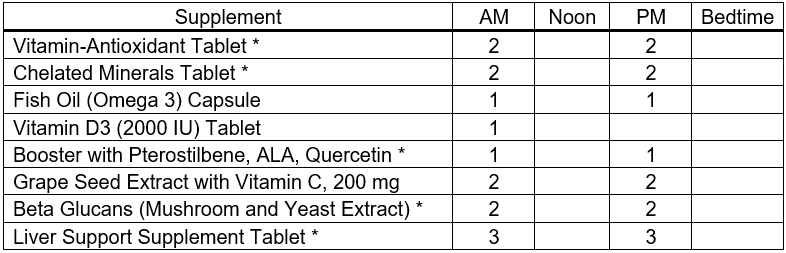
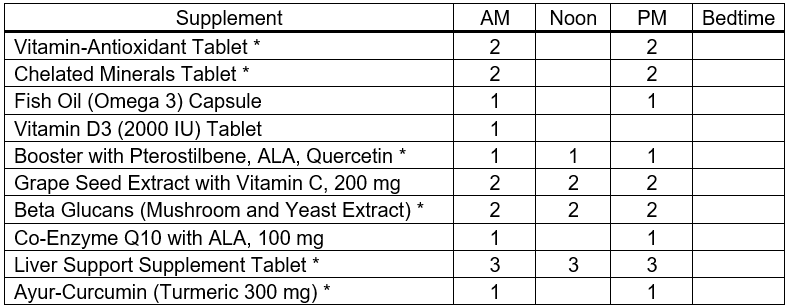
Basic Protocol for Cervical Cancer
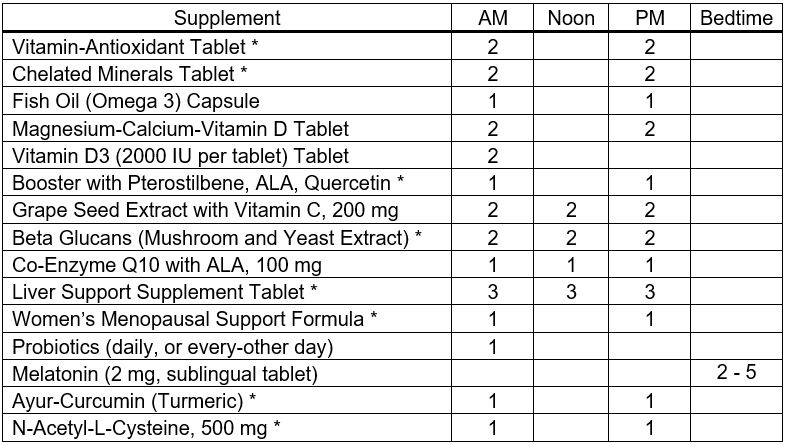
Average Protocol for Cervical Cancer
Advanced Protocol for Cervical Cancer
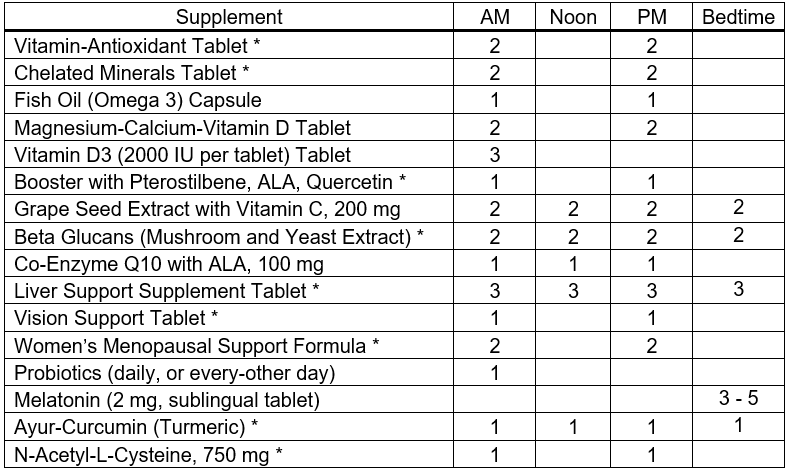
- AM: With, or after breakfast
- Noon: At lunchtime with food, or shortly thereafter
- PM: Late afternoon with food, or at, or after dinner
- Booster Antioxidant Supplement, with each tablet providing 50 mg Pterocarpus marsupium extract (containing pterostilbene), 10 mg Olive Fruit Extract, 75 mg alpha lipoic acid (ALA), and 60 mg Quercetin.
- Liver Support Supplement supports brain function. A good one will provide Milk Thistle Extract, N-Acetyl-L-Cysteine, Alpha-Lipoic Acid, Broccoli Extract, Turmeric Extract (Curcumin), Olive Extract, Green Tea Extract, and Biotin.
- Beta glucan supplement is derived from the Reishi and Shiitake mushrooms, as well as Baker’s Yeast Extract.
- Vision Support Supplement provides such micronutrients as, Lutein, Zeaxanthin, and Bilberry Extract.
- Probiotics, at least take 12 billion colony-forming bacteria, providing Lactobacillus rhamnosus LGG® and Bifidobacterium BB12 every other day or daily.
- To order Ayur-Curcumin (Turmeric), first set up a customer account with Douglas Labs by CLICKING HERE. (If this link does not work for you, simply type “douglaslabs.com/patient-account” into a new browser tab.) Please use Referral Code 2074214.
Ingredients that I like to see provided collectively by vitamin-antioxidant & chelated mineral tablets
Vitamin A, mostly as Beta Carotene
Vitamin C
Vitamin D3
Vitamin E
Vitamin K (K1 & K2)
B-Complex Vitamins
Curcumin (turmeric extract)
Quercetin
Green Tea Extract
Olive Extract
Rutin
Resveratrol
Choline
Lutein
Lycopene
N-Acetyl-L-Cysteine (NAC)
Calcium
Magnesium
Iodine (as potassium iodide)
Zinc
Selenium
Copper
Manganese
Chromium
Molybdenum
Including Ultra Trace Minerals
Medical Disclaimer
Information on this website, written, spoken, or in any other communication by Dr. Ladd McNamara or any other information or reference is for informational purposes only. The information provided on this website is a result of years of practice, experience, and study by the author. This information is not intended as a substitute for the advice provided by someone’s personal licensed physician or other healthcare professional, or any information contained on or in any product label or packaging. Do not use the information on this website, or any other form of communication from Dr. Ladd McNamara or the Dr. Ladd VIP Program, for diagnosing or treatment of a health issue or disease, or for the prescribing of medication or the use of supplementation without a discussion with your licensed health professional first. At best, the information provided on this website is only meant to supplement information provided by your own doctor or health professional, not to replace medical advice. The information from this website is not meant to cover all possible uses, precautions, interactions or possible adverse effects of nutritional supplements with or without medications, or in conjunction with specific medical conditions. The information from this website may not fit your specific health circumstances. Never delay seeking medical care or disregard advice from your health care professional because of information you have received directly or indirectly from this website, from the Dr. Ladd VIP Program, or from Dr. Ladd McNamara himself. Always speak with your physician or other healthcare professional before making any changes to your medication or embarking on a nutritional, herbal or homeopathic supplement program, or before using any treatment for a health concern. If you have, or suspect that you have, a medical problem, contact your health care provider promptly. Do not disregard professional medical advice or delay in seeking professional advice because of something you have read or heard on this website, or due to any other information from Dr. Ladd McNamara or his representatives. Information provided on this website or the V.I.P. Program, and the use of any products or services mentioned on this website (or as a result of information provided this program, article, or website) by you DOES NOT create a doctor-patient relationship between you and Ladd McNamara, M.D. Information and statements regarding dietary supplements have not been evaluated by the Food and Drug Administration and are not intended to diagnose, treat, cure, or prevent any disease.
References
- Wu X, et al. Human papillomavirus–associated cancers—United States, 2004–2008. MMWR. 2012;61:41–5.
- De Vuyst H, et al. Prevalence and type distribution of human papillomavirus in carcinoma and intraepithelial neoplasia of the vulva, vagina and anus: a meta-analysis. Int J Cancer. 2009;124:1626–1636.
- Winer RL, et al. Risk of female human papillomavirus acquisition associated with first male sex partner. J Infect Dis. 2008 Jan 15;197(2):279-282.
- McNamara M, et al. HPV Update: Vaccination, Screening, and Associated Disease. J Gen Intern Med. 2016 Nov;31(11):1360-1366.
- https://www.acpeds.org/wordpress/wp-content/uploads/1.26.16-New-Concerns-about-the-HPV-vaccine.pdf
- http://hpv-vaccine-info.org/gardasil-will-be-the-biggest-scandal-in-medical-history/
- http://sanevax.org/wp-content/uploads/2016/01/Allegations-of-Scientific-Misconduct-by-GACVS.pdf
- https://www.businesswire.com/news/home/20120808006480/en/SaneVax-Announces-Medical-Surprise-Gardasil%C2%AE-HPV-DNA
- http://www.cancer.org/acs/groups/content/@nho/documents/document/caff2005f4pwsecuredpdf.pdf
- Chen Wongworawat Y, et al. Chronic oxidative stress increases the integration frequency of foreign DNA and human papillomavirus 16 in human keratinocytes. Am J Cancer Res. 2016 Mar 15;6(4):764-80. eCollection 2016
- Shi J, et al. Polyphenolics in Grape Seeds—Biochemistry and Functionality. Journal of Medicinal Food. 2003;6(4):291-299.
- Scalbert A, et al. Polyphenols: antioxidants and beyond. Am J Clin Nutr. January 2005. vol. 81 no. 1 215S-217S.
- Al-Habib A, et al. Bactericidal effect of grape seed extract on methicillin-resistant Staphylococcus aureus (MRSA). J Toxicol Sci. 2010 Jun;35(3):357-64.
- Bisha B, et al. Antilisterial effects of gravinol-s grape seed extract at low levels in aqueous media and its potential application as a produce wash. J Food Prot. 2010 Feb;73(2):266-73.
- Sheng L, et al. Inhibitory effects of grape seed extract on growth, quorum sensing, and virulence factors of CDC “top-six” non-O157 Shiga toxin producing E. coli. Int J Food Microbiol. 2016 Jul 16;229:24-32.
- Chen WC, et al. Grape Seed Extract Attenuates Hepatitis C Virus Replication and Virus-Induced Inflammation. Front Pharmacol. 2016 Dec 21;7:490.
- Li D, et al. Effect of grape seed extract on human norovirus GII.4 and murine norovirus 1 in viral suspensions, on stainless steel discs, and in lettuce wash water. Appl Environ Microbiol. 2012 Nov;78(21):7572-8.
- Han Y1. Synergic effect of grape seed extract with amphotericin B against disseminated candidiasis due to Candida albicans. 2007 Nov;14(11):733-8.
- Grace Nirmala J, et al. Cytotoxicity and apoptotic cell death induced by Vitis vinifera peel and seed extracts in A431 skin cancer cells. Cytotechnology. 2017 Oct 5. doi: 10.1007/s10616-017-0125-0. [Epub ahead of print]
- Kumar R, et al. Procyanidin B2 3,3″-di-O-gallate induces oxidative stress-mediated cell death in prostate cancer cells via inhibiting MAP kinase phosphatase activity and activating ERK1/2 and AMPK. Mol Carcinog. 2017 Sep 6. doi: 10.1002/mc.22731. [Epub ahead of print]
- Liu J, et al. Induction of cell cycle arrest and apoptosis by grape seed procyanidin extract in human bladder cancer BIU87 cells. Eur Rev Med Pharmacol Sci. 2016 Jul;20(15):3282-91.
- Shrotriya S, et al. Grape seed extract targets mitochondrial electron transport chain complex iii and induces oxidative and metabolic stress leading to cytoprotective autophagy and apoptotic death in human head and neck cancer cells. Mol Carcinog. 2015 Dec;54(12):1734-47.
- Chen Q, et al. Grape seed proanthocyanidins (GSPs) inhibit the growth of cervical cancer by inducing apoptosis mediated by the mitochondrial pathway. PLoS One. 2014 Sep 4;9(9):e107045.
- Mao JT, et al. Microrna-19a/b mediates grape seed procyanidin extract-induced anti-neoplastic effects against lung cancer. J Nutr Biochem. 2016 Aug;34:118-25.
- Di Domenico F, et al. Antioxidants in cervical cancer: chemopreventive and chemotherapeutic effects of polyphenols. BioChim Biophys Acta. 2012 May;1822(5):737-747.
- King M, et al. Oral squamous cell carcinoma proliferative phenotype is modulated by proanthocyanidins: a potential prevention and treatment alternative for oral cancer. BMC Complement Altern Med. 2007 Jun 19;7:22
- Garcia-Zepeda SP, et al. Resveratrol induces cell death in cervical cancer cells through apoptosis and autophagy. Eur J Cancer Prev. 2013 Nov;22(6):577-584.
- Goodman MT, et al. Hawaii cohort study of serum micronutrient concentrations and clearance of incident oncogenic human papillomavirus infection of the cervix. 2007 Jun 15;67(12):5987-96.
- Cherry JJ, et al. Structure based identification and characterization of flavonoids that disrupt human papillomavirus-16 E6 function. PLoS One. 2013 Dec 23;8(12):e84506.
- Ham S, et al. Luteolin induces intrinsic apoptosis via inhibition of E6/E7 oncogenes and activation of extrinsic and intrinsic signaling pathways in HPV-18-associated cells. Oncol Rep. Oncol Rep. 2014 Jun;31(6):2683-2691.
- He L, et al. (-)-Epigallocatechin-3-gallate inhibits human papillomavirus (HPV)-16 oncoprotein-induced angiogenesis in non-small cell lung cancer cells by targeting HIF-1α. Cancer Chemother Pharmacol. 2013 Mar;71(3):713-725.
- Zou C, et al. Green tea compound in chemoprevention of cervical cancer. Int J Gynecol Cancer. 2010 May;20(4):617-264.
- Beniston RG, Campo MS. Quercetin elevates p27(Kip1) and arrests both primary and HPV16 E6/E7 transformed human keratinocytes in G1. Oncogene. 2003 Aug 21;22(35):5504-14.
- Friedman M. Mushroom Polysaccharides: Chemistry and Antiobesity, Antidiabetes, Anticancer, and Antibiotic Properties in Cells, Rodents, and Humans. Foods. 2016 Nov 29;5(4).
- Wang, WJ. Mushroom beta-glucan may immunomodulate the tumor-associated macrophages in the Lewis lung carcinoma. Biomed Research International, Volume 2015, article ID 604385; 15 pages.
- Queiroz EA, et al. Antiproliferative and pro-apoptotic effects of three fungal exocellular β-glucans in MCF-7 breast cancer cells is mediated by oxidative stress, AMP-activated protein kinase (AMPK) and the Forkhead transcription factor, FOXO3a. Int J Biochem Cell Biol. 2015 Oct;67:14-24.
- Demir G, et al. Beta glucan induces proliferation and activation of monocytes in peripheral blood of patients with advanced breast cancer. Int Immunopharmacol. 2007 Jan;7(1):113-6.
- Jafaar ZM, et al. β-D-glucan inhibits endocrine-resistant breast cancer cell proliferation and alters gene expression. Int J Oncol. 2014 Apr;44(4):1365-75.
- Vetvicka V, et al. Glucan supplementation has strong anti-melanoma effects: role of nk cells. Anticancer Res. 2015 Oct;35(10):5287-92.
- Vetvicka V, Vetvickova J. Combination of glucan, resveratrol and vitamin C demonstrates strong anti-tumor potential. Anticancer Res. 2012 Jan;32(1):81-7.
- Jiang Y, et al. Overview of Ganoderma sinense polysaccharide-an adjunctive drug used during concurrent Chemo/Radiation therapy for cancer treatment in China. Biomed Pharmacother. 2017 Oct 19;96:865-870.
- Ostadrahimi A, et al. Effect of beta glucan on white blood cell counts and serum levels of IL-4 and IL-12 in women with breast cancer undergoing chemotherapy: a randomized double-blind placebo-controlled clinical trial. Asian Pac J Cancer Prev. 2014;15(14):5733-9.
- Ostadrahimi A, et al. Effect of Beta glucan on quality of life in women with breast cancer undergoing chemotherapy: a randomized double-blind placebo-controlled clinical trial. Adv Pharm Bull. 2014 Oct;4(Suppl 1):471-7.
- Vetvicka V, et al. Addition of selenium improves immunomodulative effects of glucan. N Am J Med Sci. 2016 Feb;8(2):88-92.
- Zaman MS, et al. Curcumin Nanoformulation for Cervical Cancer Treatment. Sci Rep. 2016 Feb 3;6:20051.
- Imran M, et al. Cucurmin, anticancer, & antitumor perspectives: A comprehensive review. Crit Rev Food Sci Nutr. 2018 May 24;58(8):1271-1293.
- Teymouri M, et al. Curcumin as a multifaceted compound against human papilloma virus infection and cervical cancers: A review of chemistry, cellular, molecular, and preclinical features. Biofactors. 2017 May 6;43(3):331-346.
- Mishra A, Das BC. Curcumin as an anti-human papillomavirus and anti-cancer compound. Future Oncol. 2015 Sep;11(18):2487-90.
- Shang HS, et al. Curcumin causes DNA damage and affects associated protein expression in HeLa human cervical cancer cells. Oncol Rep. 2016 Oct;36(4):2207-15.
- Mukherjee S, et al. Unique synergistic formulation of curcumin, epicatechin gallate and resveratrol, tricurin, suppresses HPV E6, eliminates HPV+ cancer cells, and inhibits tumor progression. Oncotarget. 2017 Mar 29;8(37):60904-60916.
- Assad DX, et al. Additive cytotoxic effects of radiation and mTOR inhibitors in a cervical cancer cell line. Pathol Res Pract. 2018 Feb;214(2):259-262.
- Momtazi-Borojeni AA, et al. Curcumin in Advancing Treatment for Gynecological Cancers with Developed Drug- and Radiotherapy-Associated Resistance. Rev Physiol Biochem Pharmacol. 2019;176:107-129.
- Wei Y, et al. Preclinical studies for the combination of paclitaxel and curcumin in cancer therapy (Review). Oncol Rep. 2017 Jun;37(6):3159-3166.
- Lee JW, et al. Curcumin appears to hamper the anti-tumor effect of vinblastine via the inhibition of microtubule dynamics and mitochondrial membrane potential in HeLa cervical cancer cells. Phytomedicine. 2016 Jun 15;23(7):705-13.
- de Almeida Chuffa LG, et al. Mitochondrial functions and melatonin: a tour of the reproductive cancers. Cell Mol Life Sci. 2019 Mar;76(5):837-863.
- Zhao Q, et al. Melatonin enhances TNF-α-mediated cervical cancer HeLa cells death via suppressing CaMKII/Parkin/mitophagy axis. Cancer Cell Int. 2019 Mar 14;19:58.
- Chen L, et al. Melatonin increases human cervical cancer HeLa cells apoptosis induced by cisplatin via inhibition of JNK/Parkin/mitophagy axis. In Vitro Cell Dev Biol Anim. 2018 Jan;54(1):1-10.
- Pariente R, et al. Melatonin sensitizes human cervical cancer HeLa cells to cisplatin-induced cytotoxicity and apoptosis: effects on oxidative stress and DNA fragmentation. J Pineal Res. 2016 Jan;60(1):55-64.
- Pariente R, et al. Participation of MT3 melatonin receptors in the synergistic effect of melatonin on cytotoxic and apoptotic actions evoked by chemotherapeutics. Cancer Chemother Pharmacol. 2017 Nov;80(5):985-998.
- Shin HJ, et al. Pterostilbene Suppresses both Cancer Cells and Cancer Stem-Like Cells in Cervical Cancer with Superior Bioavailability to Resveratrol. Molecules. 2020 Jan; 25(1): 228.
- Chatterjee K, et al. Resveratrol and Pterostilbene Exhibit Anticancer Properties Involving the Downregulation of HPV Oncoprotein E6 in Cervical Cancer Cells. Nutrients. 2018 Feb 21;10(2):243.
- Chatterjee K, et al. Activity on an HPV E6-Positive Cervical Cancer Model: An in vitro and in vivo Analysis. Front Oncol. 2019 May 9;9:352.
All the material on this website, including this article and protocol is copyrighted by Ladd McNamara, Inc., and it is unlawful to copy or distribute this without permission. It is for the sole use of Dr. Ladd’s V.I.P. members only.
As a VIP member, you agree that you will NOT share any written, audio, video, or any other proprietary materials from this website with those in your organization, other associates, or team members; and that you will only share approved articles/protocols and videos with your OWN PERSONAL & IMMEDIATE customers, clients, and prospective customers/clients. Doing so, would result in the loss of your Dr. Ladd VIP membership without a refund.
Thank you for your honesty and integrity.
About the Dr. Ladd VIP Program
There are many more articles on various subjects, as well as videos on health concerns, along with specific nutritional supplement protocols for managing health concerns and disease. Of course, this is all for informational purposes, and not to be taken as medical advice. (See medical disclaimer above.) Please learn more at www.drladdvip.com.
Please read about the benefits of being a Dr. Ladd VIP Member. It is a subscription-based personal program to better your health, energy, and passion for life, and for helping others. This program includes on-going support for yourself, and as you help customers and clients with your health enterprise.
Do you have a need to understand how NUTRITIONAL SUPPLEMENTS can benefit the health of people suffering from any number of chronic diseases; such as Heart Disease, Cancer, Diabetes, Arthritis, Dementia, Lyme Disease, Autoimmune Diseases, and Many More!
- Do you have a need for SUPPLEMENT PROTOCOLS as to what specific supplement combinations to use?
- How about WHY SUPPLEMENTS? How do you chose a QUALITY BRAND?
- Do you have a need to BETTER ASSIST CUSTOMERS in making a good decision?
- How about ON-GOING SUPPORT for ON-GOING QUESTIONS?
- How about YOUR PERSONAL HEALTH, and/or Your PERSONAL RELATIONSHIPS?
Happiness and Health includes not only being free of disease, but passionately engaged in a relationship, in life, and in helping others! It means living with less stress, more fun, and activity.
The Dr. Ladd VIP Program is about Vitality, Intimacy, and Passion, being balanced in all aspects of life, and helping others to get there too.
 Please read more at www.drladdvip.com, and take advantage of the Video Courses, the Supplement Protocols, Articles, Downloadable PDFs, and Dr. Ladd VIP Facebook Community and Support. “Have me in your back pocket” by becoming a VIP Member Today!
If you are not a VIP member, please subscribe to my email list. If you are already a VIP member, no need to subscribe to the email newsletter list. Thank you.
dr. ladd
Please learn more about the Dr. Ladd VIP program here: www.drladdvip.com.
Please Subscribe to Dr. Ladd’s Email List
Receive health and website updates, as well as information on upcoming FREE health-related webinars.
All information, written or video, is copyrighted by Ladd McNamara, Inc., and is not to be shared, duplicated, or posted to other websites or social media platforms without express permission from Ladd McNamara, M.D. Thank you.
Dr. Ladd’s V.I.P. Program and Website is Owned and Operated by Ladd R. McNamara, M.D. and Ladd McNamara, Inc., a California corporation. Copyright 2019