
I just can’t
POTS
Nutritional Supplements May Help Reduce the Signs and Symptoms of Postural Orthostatic Tachycardia Syndrome
by Ladd McNamara, M.D.
This article and protocol are for informational purposes only, and not intended as medical advice. Please read the medical disclaimer below, and consult with your personal physician prior to taking supplements or acting upon any information within this article or protocol, or found on the Dr. Ladd VIP website.
Discussion
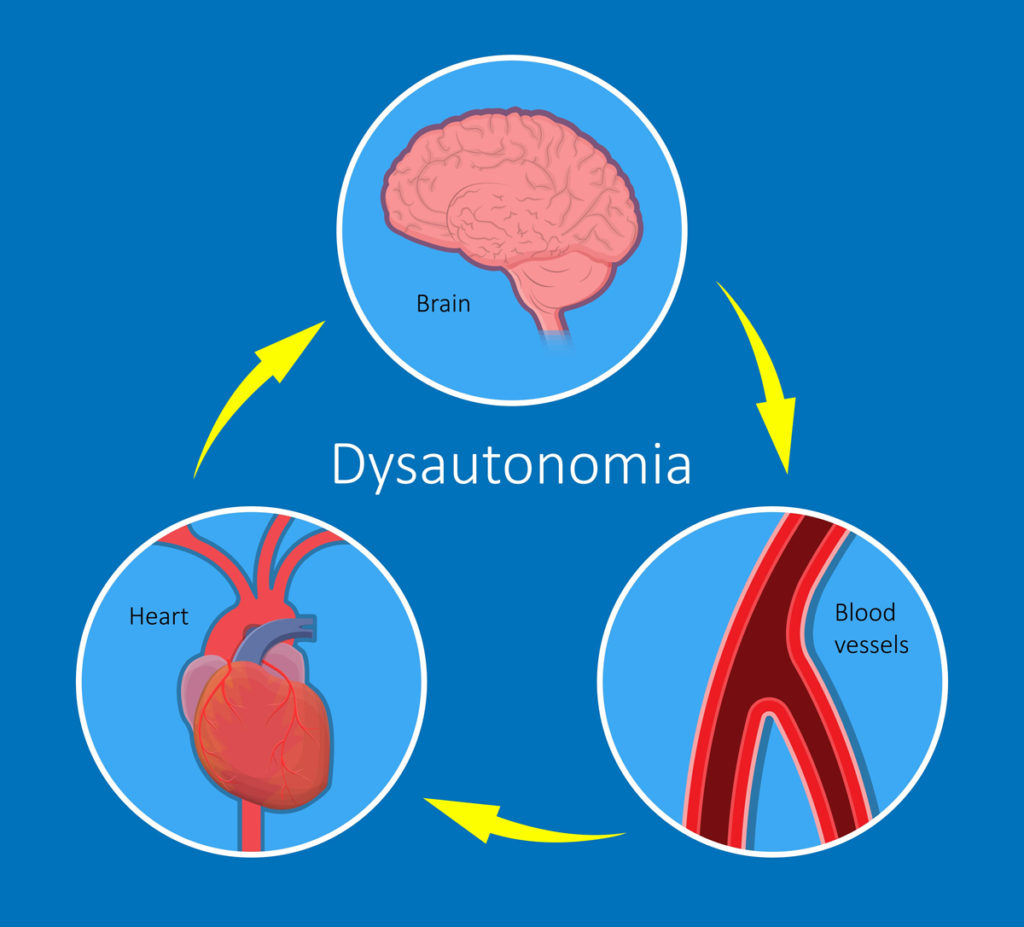
POTS is the acronym for Postural Orthostatic Tachycardia Syndrome, which when translated into layman terms simply means ‘rapid heart rate when standing upright.’ POTS affects at least 500,000 people just in the United States, with many millions more globally. (1) It is thought that the number of people affected is higher, more likely numbering into the millions within the U.S. alone. The great majority (80%) of those diagnosed with POTS are women of reproductive age (15 – 50 years), with a preponderance being under the age of 30.
POTS is a type of orthostatic (upright position) intolerance. Those with POTS experience a significant increase in heart rate, and/or heart palpitations, when standing up from a lying or sitting position, or sitting up from a lying position. Dizziness and/or fatigue are also frequently experienced when a person with POTS stands up. There are other common symptoms as well.
Common Symptoms of POTS
 Rapid Heart Rate
- Heart Palpitations
- Light-Headedness
- Dizziness
- Fainting
- Anxiety
- Fatigue
- Headache
- Nausea
- Abdominal Pain
- Tremors
- Blurred Vision
- Bloating
- Difficulty with Concentration
- Sleep Disturbances
Common Signs of POTS
- Tachycardia
- Peripheral Edema
- Acrocyanosis (mottled blueness or red discoloration of the hands and feet)
- Clammy Skin
- Joint Hypermobility
- Peripheral Sensation Changes
Common Triggers of Signs & Symptoms of POTS
 Puberty
- Menses (monthly period)
- Pregnancy
- HPV Vaccination (2)
- Viral Illness
- Surgery
- Trauma
Impact of POTS
The severity of POTS varies among patients, with about 25% who experience debilitating symptoms to the point where they cannot tolerate standing in order to perform simple household tasks, let alone work a job. Those with severe cases spend much of their day sitting reclined or lying down. With proper management, the symptoms often gradually resolve after several years, while others experience bouts of orthostatic intolerance throughout their lifetime. My POTS supplement protocol is offered as a possible nonpharmacological adjunctive management strategy to both reduce the symptoms and shorten the course of this disorder.
Etiology (The Cause)
 There does not seem to be one specific cause of POTS, making the etiology unclear. There are a variety of overlapping factors that appear to give rise to this syndrome, which is why POTS can be subcategorized by what appears to have primarily given rise to the disorder (below). (3) Whatever the originating cause, the result is excessive tachycardia (rapid heart rate) due to a dysfunctional neuro-muscular cardiovascular system.
Hypovolemic POTS- Hypovolemia means low blood volume. Although the degree of hypovolemia varies, approximately 70% of POTS patients have decreased plasma, red blood cells, and total blood volume. (4) The cause of persistent hypovolemia in POTS patients appears primarily to be a dysfunctional renin-angiotension-aldosterone axis, which is crucial for maintaining an adequate plasma volume. (5) In other POTS cases, hypovolemia is secondary to co-existing gastrointestinal disorders that involve excessive fluid loss (diarrhea, vomiting) and poor fluid intake. (1)
 Neuropathic POTS- Autonomic neuropathy of the lower limbs, particularly a dysfunctional sympathetic response which would normally cause vasoconstriction within the legs. With a lack of vasoconstriction, blood pools in the veins of the legs, reducing blood flow returning to the heart. The heart has to compensate for the reduced return of blood volume in order to maintain a sufficient blood pressure when standing or sitting up, and it does so by significantly increasing the heart rate. This subcategory of POTS patients frequently experience gastrointestinal symptoms, such as nausea and abdominal pain), as well as bladder complaints, such as suprapubic pain and urinary frequency). Stressors such as vital infections, trauma, surgery, puberty, and pregnancy often precipitate development of this POTS type. (6)
Hyperadrenergic POTS- Approximately 30 – 60% of POTS fall into this category. Those with this subtype of POTS have elevated norepinephrine (noradrenaline), which is the main neurotransmitter of the sympathetic nerves in the cardiovascular system. (FYI, epinephrine, aka adrenaline, predominantly affects the heart, whereas norepinephrine predominantly affects the blood vessels.) The elevated norepinephrine level results in increased sympathetic tone, including increased heart rate, heart palpitations, hypertension, tremors, and anxiety.
 Autoimmune POTS- An autoimmune etiology is a significant possibility of POTS, given the similarities between the characteristics of POTS and autoimmune diseases; namely, female preponderance, post-viral onset, and elevated autoimmune markers. In 25% of POTS cases, antinuclear antibodies (ANA) are found, most often in those with Hashimoto’s thyroiditis.
Deconditioning POTS- Being in poor physical, and in particular, poor cardiovascular health is associated with POTS. Deconditioning (being out of shape), could both be a cause and an effect of POTS. No matter which subcategory of POTS one has, not being able to stand or walk without significant symptoms will eventually end up here, as a deconditioned cardiovascular system. In fact, deconditioning would be expected to exacerbate any other subcategory of POTS, above. The hearts of those with POTS are smaller and weaker than normal counterparts.
Management of POTS
 Since medications have not been proven to be more efficacious than nonpharmacological therapies in the treatment of POTS, to avoid medication side-effects, first-line management is focused on education and strict adherence to a multi-pronged nonpharmacological approach. (3) Medications are usually reserved for severe cases, and those not improved with a nonpharmacological approach. Your doctor will advise you if and when, as well as what medications may be worth trying. Of note, I believe proper nutritional supplementation plays a crucial role in first-line therapy, whether on medications or not.
One’s doctor will make recommendations regarding exercise conditioning, starting out with a gradual, low-intensity exercise regimen with activities that can be done while reclined, all while under supervision, especially at first. (7, 8) The exercises can be incrementally intensified over 3 months. Employ additional management strategies listed below.
Non-Pharmacological Management of POTS
 Supervised Low-Intensity Reclined Exercise Regimen
- Compression Garments
- Physical Counter Maneuvers (muscle contraction, leg crossing, forward bending)
- Increased Fluid and Salt Intake
- Drink 16-oz of Water 5 – 10 Minutes Before Standing Up
- Eat Small Meals Spread Throughout the Day
- Avoid Alcohol and Caffeine
- Avoid Prolonged Heat Exposure
- Improve Sleep Quality (See My Module on Sleep)
- Consider Quality Nutritional Supplement Protocol (below)
- Consider Micro-Current Electro-Therapy Treatments (see below)
Electro-Therapy: Micro-Current Treatment
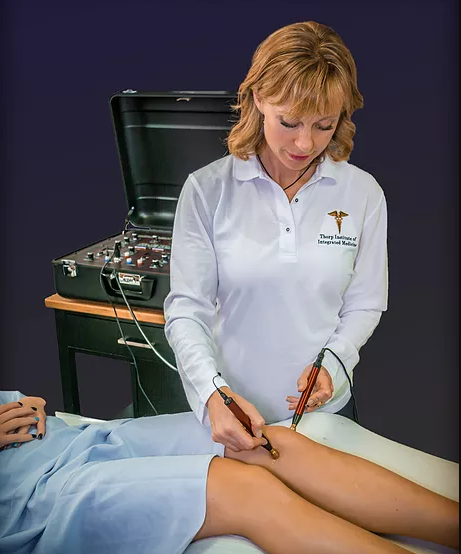 Micro-current electrotherapy often produces good results for a variety of disorders and conditions. The micro-current technology I have seen work best for a variety of health challenges is not like other common electrotherapy devices commonly found. The device I have seen make a difference actually works at a micro-current level, as well as a nano- and pico-current levels. A pico-current works at the level of a billionth of an amperage of electricity, which is the amperage at which cellular, nuclear, and mitochondrial membranes (such as calcium channels) function. When cells and mitochondria have improved transport of micronutrients into the cells and waste products out of the cells, through these membrane channels, then all cells function more normally; including the autonomic nervous system.
Application of micro-current electrotherapy (with the pico-current), the nerves function more normally. The current re-establishes a dysfunctional cellular membrane electrical potential. It is easiest to think of the electrical potential of the cells as the following, with the outside of the bilayer cellular and mitochondrial membranes having a positive charge, and the inner membranes having a negative charge. The polarity of the charges keeps the membrane together and functioning normally.
Inflammation, or other disease conditions, disrupts cellular and mitochondrial membranes of a variety of cell types, including neurons. If the electrical conductance is inhibited, the neurons, including that of the autonomic nervous system, improper or delayed signals are given to the smooth muscles of the vascular system, as well as the heart and brain.
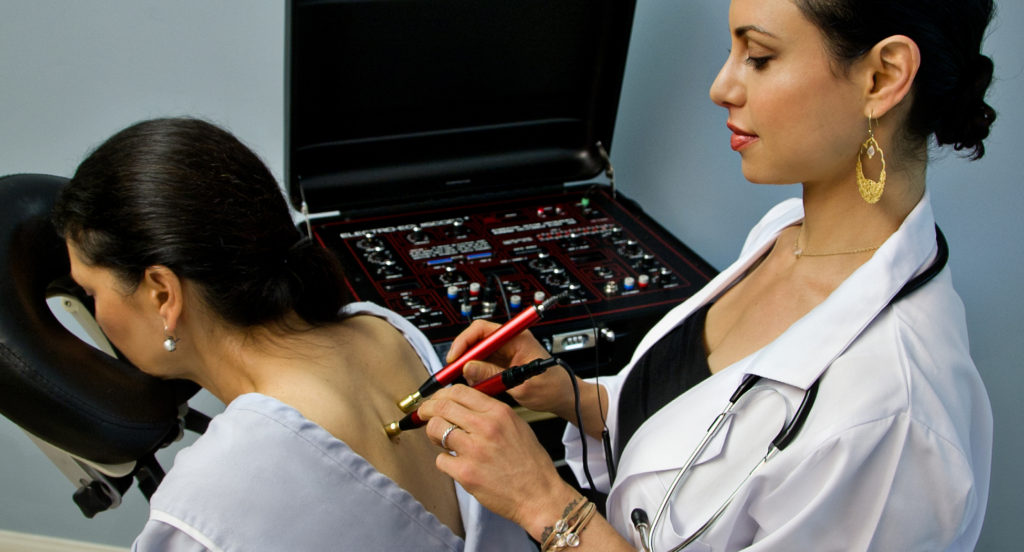 A TENS unit (electrical stimulation unit), often recommended by doctors, works at the micro-current level, many times the amperage of the cell membrane. It shuts down nerve conduction, and in so doing blocks the pain. The pico-current electro-therapy helps the nerve function more normally, and so doing reduces the pain and restores the nerve (if it is not too badly damaged).
The Electro-Equiscope from the Thorp Institute, and used at Sanoviv Medical Institute, is what I have seen work best. My wife, Heather Gotham, is a well-trained electro-technician, and has effectively been treating clients suffering from nervous system disorders, as well as for accelerating healing of the bone, muscle, and skin. It is an effective way to relieve pain as well
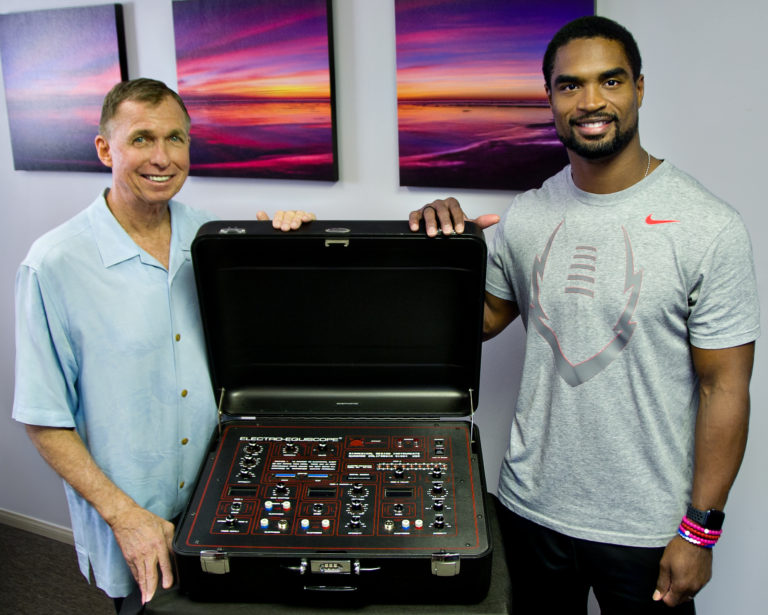 There are technicians and doctors using this specific device in many cities in the United States and Canada. (I’m sure there are many others in many countries around the world, but I do not know how to locate them.) To read more about the Electro-Equiscope, how it works, and obtaining treatment or the device itself, please read my article by CLICKING HERE.
The Electro-Equiscope is effective, and it is even more effective if used in combination with quality nutritional supplementation protocol. Micronutrients are essential for the nourishment, protection, proper functioning, and repair of nerves, and all other cells. And, as with the proper electrotherapy technology, quality micronutrients make a difference. Quality micronutrients are provided in proper balances, ratios, doses, and purity; which is why they are more effective than cheap, low quality supplements.
Nutritional Supplements for Prevention and Treatment of Peripheral Neuropathy
 An increased prevalence of vitamin B1, vitamin B12, vitamin D, and iron deficiencies has been observed in patients with POTS. In one study published in 2017 involving 65 POTS patients, 6% were found to have a vitamin B1 deficiency. One of the four deficient patients experienced significant improvement of POTS after oral vitamin B1 supplementation. (9)
Vitamin B12 is involved in the production of epinephrine (adrenaline) from norepinephrine (noradrenaline). It is the cofactor involved in catecholamine degradation and plays a role in myelin synthesis. A vitamin B12 deficiency (< 300 pg/ml) was found to be associated with POTS in adolescents, as well as adults. (10, 11)
A study published in 2011 involving 188 adolescents with POTS were evaluated for iron and vitamin D status. Approximately half were found to have an iron insufficiency, and 22% had an iron deficiency. The severity of POTS symptoms did not correlate to the severity of their ferritin deficiencies. Twenty-two percent of the adolescents had a significant vitamin D deficiency (≤20 ng/mL), and there was a significant association of the severity of hypovitaminosis D and the severity of orthostatic intolerance. (12)
Oxidative Stress and Antioxidants
 Low flow postural tachycardia syndrome is associated with vasoconstriction, reduced cardiac output, increased plasma angiotensin II, reduced bioavailable nitric oxide (NO), and oxidative stress. (13) Vitamin C was shown to significantly improve blood flow and cardiac output. This syndrome may share similar pathophysiological mechanisms with POTS, suggesting that oxidative stress and the renin-angiotension-aldosterone axis dysfunction seen in some POTS cases may be improved with antioxidant supplementation.
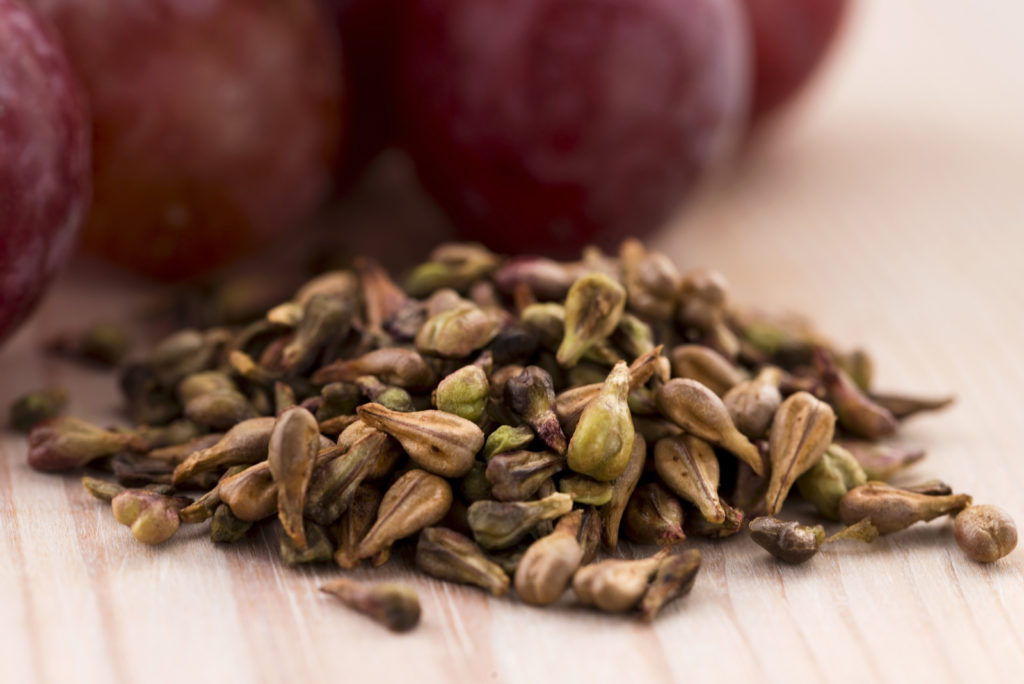
The lining of arteries, called the endothelium, helps control blood flow with the appropriate release of nitric oxide. Nitric oxide causes dilation of arterioles (small arteries), allowing increased blood flow to tissues and cells. POTS involves dysfunction of the vascular endothelium, including the dys-regulation of nitric oxide involving the autonomic nervous system. (14, 15) Various antioxidants, particularly, grape seed extract, resveratrol, and curcumin (turmeric extract), improve circulatory flow via various mechanisms, including normalization of nitric oxide release. (16 – 20)
Management of Symptoms with Micronutrients
 Vitamins, minerals, antioxidants, and the omega-3 fatty acids are necessary for increasing metabolic processes necessary for energy production and the enhancement of mood. Magnesium, co-enzyme Q10, and alpha lipoic acid are directly utilized for production of the energy molecules ATP within the mitochondria. Supplementation with these micronutrients often improve fatigue, lethargy, and depressed mood.
Furthermore, oxidative stress and inflammation of neurons trigger pain, and various antioxidants are powerful in neutralizing both of these effects, including reducing pain. Grape seed extract, resveratrol, pterostilbene, quercetin, olive extract, and curcumin (turmeric extract), are all powerful flavonoid or polyphenol antioxidants, and when used together, they are more effective in providing symptomatic relief.
It is well known that magnesium therapy helps reduce tachycardia and tachyarrhythmias. Given that most people do not get adequate magnesium from their diets, supplementing with magnesium, balanced with calcium, should be considered, in conjunction with a base of balanced vitamins and minerals.
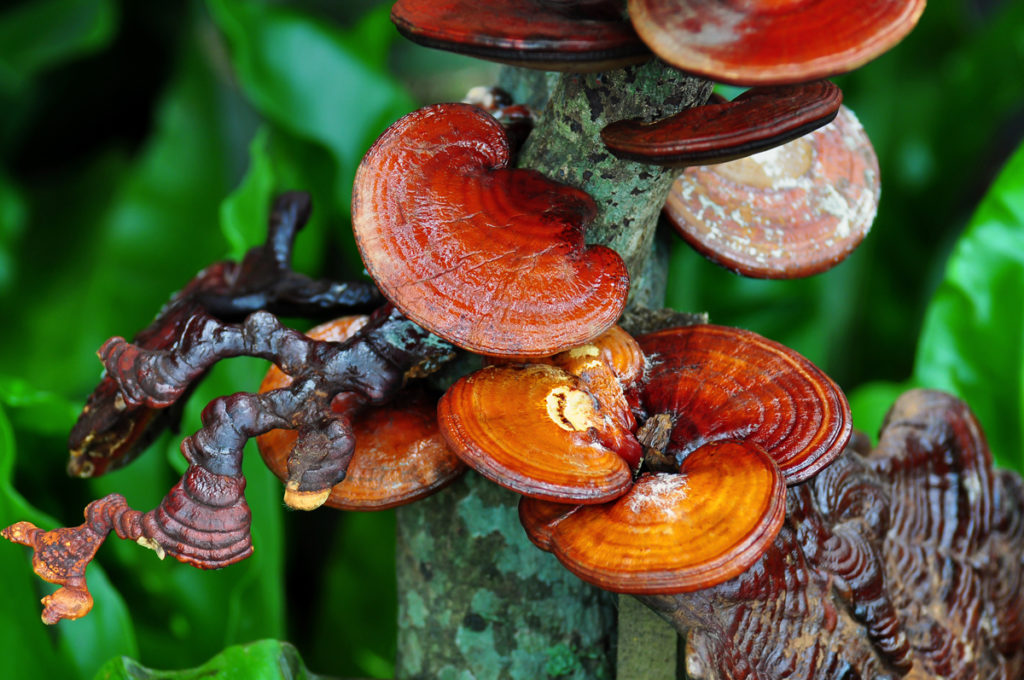 Polysaccharides beta glucan micronutrients, derived from Reishi and Shiitake mushrooms, as well as baker’s yeast extract, are polysaccharides that have significant health benefits. They are a type of fiber that is resistant to stomach acid, so that they pass through the stomach virtually unchanged, and they are not metabolized as sugar, so they do not raise blood sugar levels or trigger insulin release. They do not add calories to one’s diet. In light of POTS, because of their effect on neurological disorders, it is well worth considering supplementing with beta glucans.
Beta glucans modulate inflammation throughout the body, including within the brain, where they have a beneficial effect on slowing CNS inflammatory cytokines, the pathological process that can lead to Alzheimer’s disease. In both human and animal studies, beta glucan polysaccharides show the effects of neuroprotection, improved cognition, and improved mood. Beta glucans should have a similar neuron protective effect on the peripheral and autonomic nervous system, which is why I included this supplement within the protocol.
Bacopa monnieri extract is an antioxidant, and it is a nootropic, meaning that it enhances brain activity. Bacopa extract enhances memory, cognition, processing speed, while also reducing stress, anxiety, and enhancing mood. (21 – 26) Due to bacopa’s positive effects on neurons, I would expect it to have beneficial effects on the peripheral and autonomic nervous system, and be useful as synergistic nonpharmacological therapy with the other micronutrients.
Supplement Protocol for Postural Orthostatic Tachycardia Syndrome
 Below are the four levels of my protocol that will often help with POTS. If iron is needed, due to an iron deficiency anemia, then the prenatal supplements can be used, which provide iron. The prenatal vitamins can be used with any protocol level.
A man can follow a subminimal protocol as well; and, if he doesn’t need iron, then he can simply take the foundational supplements, which do not provide iron. There is often the need for adjunctive therapies, which may include medications, but I would suggest seeking out therapies with the “micro-current” (pico-current) technology, as mentioned above, if adjunctive therapy is needed beyond the supplement protocol.
This article and protocol are for informational purposes only, and not intended as medical advice. Please read the medical disclaimer below, and consult with your personal physician prior to taking supplements or acting upon any information within this article or protocol, or found on the Dr. Ladd VIP website.
Please Note: For Tweens and Teenagers, Ages 12 – 15, Substitute the Adult Vitamin-Antioxidant and Chelated Minerals for 3 tablets per day of the Teenage Vitamin & Mineral Supplement.
Subminimal Protocol for POTS For Women Who Need Iron

Minimal Protocol for POTS
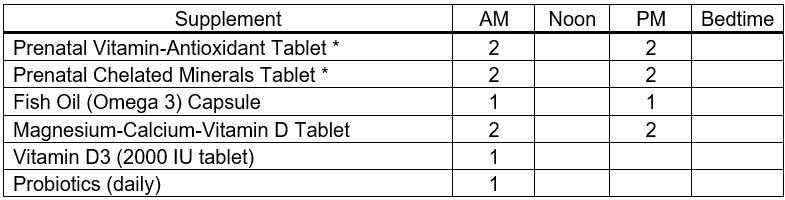
Basic Protocol for POTS
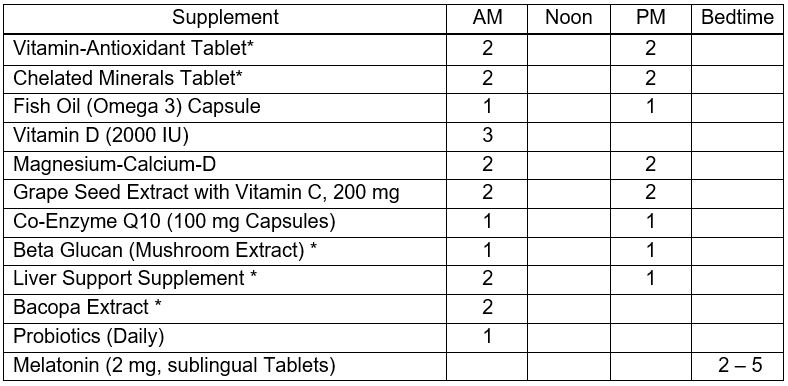
Average Protocol for POTS
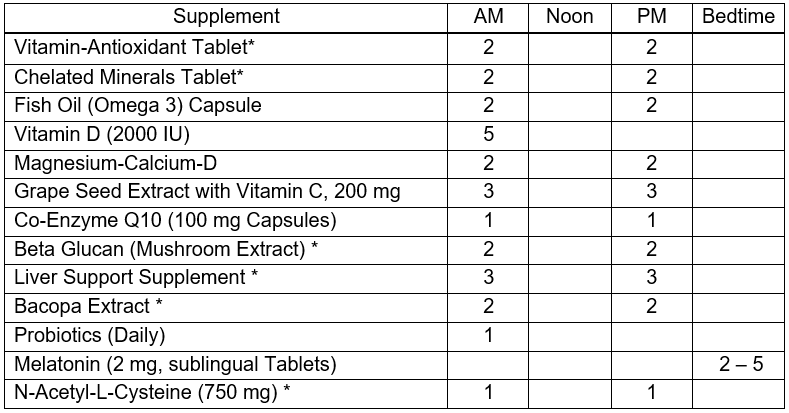
Advanced Protocol for POTS
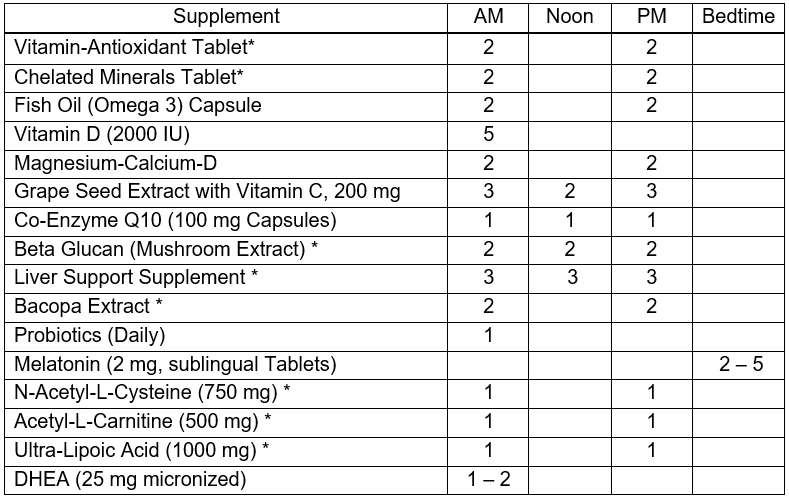
- Please see my list of ingredients (below) that I like to see provided by a foundational vitamin and mineral supplement.
- Bacopa extract (150 mg per tablet), combined with Coffee Cherry Extract and American Ginseng Extract. American Ginseng Extract, as opposed to Korean Ginseng, is not stimulating. Coffee Cherry Extract has negligible amount of caffeine (Less 0.3 mg of caffeine per two tablets, which is about 1/10th the amount of that in a cup of decaffeinated coffee).
- Beta Glucan Supplement providing Reishi and Shiitake Mushroom Extracts, as well as Baker’s Yeast Extract. They boost the immune system, to help fight viruses, bacteria, fungi, and cancer cells. They also help reduce heart disease, diabetes, and support nerve and neuronal function.
- Probiotics, at least take 12 billion colony-forming bacteria, providing Lactobacillus rhamnosus LGG® and Bifidobacterium BB12 every other day or daily.
- Liver support supplement that provides numerous ingredients, including N-Acetyl-L-Cysteine (NAC), turmeric extract (curcumin), green tea extract, olive extract, broccoli extract, alpha lipoic acid, milk thistle extract, and biotin. Although this product may be marketed as a liver support supplement, it also supports heart health, eye health, brain and nerve health (protecting against neuronal damage) as well as supports the immune system.
- Melatonin helps with sleep-wake cycles, and getting into deeper stages of sleep, but does not necessarily help you get to sleep. It should not be considered a sleeping pill. It is also a powerful antioxidant, which works everywhere in the body. It reduces inflammation in the brain and nerves, protecting the neurons, and also supports the immune system.
- DHEA, 50 mg micronized capsules, Ultra Lipoic Acid, and Acetyl-L-Carnitine can all be purchased from Douglas Labs. First, set up a customer account from Douglas Labs by CLICKING HERE, and please use Referral Code 2074214. Then, simply search for the products by name.
Ingredients that I like to see provided collectively by vitamin-antioxidant & chelated mineral tablets
Vitamin A, mostly as Beta Carotene
Vitamin C
Vitamin D3
Vitamin E
Vitamin K (K1 & K2)
B-Complex Vitamins
Curcumin (turmeric extract)
Quercetin
Green Tea Extract
Olive Extract
Rutin
Resveratrol
Choline
Lutein
Lycopene
N-Acetyl-L-Cysteine (NAC)
Calcium
Magnesium
Iodine (as potassium iodide)
Zinc
Selenium
Copper
Manganese
Chromium
Molybdenum
Including Ultra Trace Minerals
Medical Disclaimer
Information on this website, written, spoken, or in any other communication by Dr. Ladd McNamara or any other information or reference is for informational purposes only. The information provided on this website is a result of years of practice, experience, and study by the author. This information is not intended as a substitute for the advice provided by someone’s personal licensed physician or other healthcare professional, or any information contained on or in any product label or packaging. Do not use the information on this website, or any other form of communication from Dr. Ladd McNamara or the Dr. Ladd VIP Program, for diagnosing or treatment of a health issue or disease, or for the prescribing of medication or the use of supplementation without a discussion with your licensed health professional first. At best, the information provided on this website is only meant to supplement information provided by your own doctor or health professional, not to replace medical advice. The information from this website is not meant to cover all possible uses, precautions, interactions or possible adverse effects of nutritional supplements with or without medications, or in conjunction with specific medical conditions. The information from this website may not fit your specific health circumstances. Never delay seeking medical care or disregard advice from your health care professional because of information you have received directly or indirectly from this website, from the Dr. Ladd VIP Program, or from Dr. Ladd McNamara himself. Always speak with your physician or other healthcare professional before making any changes to your medication or embarking on a nutritional, herbal or homeopathic supplement program, or before using any treatment for a health concern. If you have, or suspect that you have, a medical problem, contact your health care provider promptly. Do not disregard professional medical advice or delay in seeking professional advice because of something you have read or heard on this website, or due to any other information from Dr. Ladd McNamara or his representatives. Information provided on this website or the V.I.P. Program, and the use of any products or services mentioned on this website (or as a result of information provided this program, article, or website) by you DOES NOT create a doctor-patient relationship between you and Ladd McNamara, M.D. Information and statements regarding dietary supplements have not been evaluated by the Food and Drug Administration and are not intended to diagnose, treat, cure, or prevent any disease.
References
- Bryarly M, et al. Postural Orthostatic Tachycardia Syndrome: JACC Focus Seminar. J Am Coll Cardiol. 2019 Mar 19;73(10):1207-1228.
- Brinth LS, et al. Orthostatic intolerance and postural tachycardia syndrome as suspected adverse effects of vaccination against human papilloma virus. Vaccine. 2015 May 2;33(22):2602-5.
- Zadourian A, et al. Postural Orthostatic Tachycardia Syndrome: Prevalence, Pathophysiology, and Management. Drugs. 2018 Jul;78(10):983-994.
- Sheldon RS, et al. 2015 heart rhythm society expert consensus statement on the diagnosis and treatment of postural tachycardia syndrome, inappropriate sinus tachycardia, and vasovagal syncope. Heart Rhythm. 2015 Jun;12(6):e41-63.
- Raj SR, et al. Renin-aldosterone paradox and perturbed blood volume regulation underlying postural tachycardia syndrome. Circulation. 2005 Apr 05;111(13):1574-82.
- Benarroch EE. Postural tachycardia syndrome: a heterogeneous and multifactorial disorder. Mayo Clin Proc. 2012 Dec;87(12):1214-25.
- Jones PK, et al. Clinical challenges in the diagnosis and management of postural tachycardia syndrome. Pract Neurol. 2016 Dec;16(6):431-438.
- Fu Q, Levine BD. Exercise and non-pharmacological treatment of POTS. Auton Neurosci. 2018 Dec;215:20-27.
- Blitshteyn, S. Vitamin B1 deficiency in patients with postural tachycardia syndrome (POTS). Neurol Res. 2017 Aug;39(8):685-688.
- Öner T, et al. Postural orthostatic tachycardia syndrome (POTS) and vitamin B12 deficiency in adolescents. Pediatrics. 2014 Jan;133(1):e138-42.
- Pektas A, et al. Serum vitamin B-12 in children presenting with vasovagal syncope. Asia Pac J Clin Nutr. 2018;27(1):176-181.
- Antiel RM, et al. Iron insufficiency and hypovitaminosis D in adolescents with chronic fatigue and orthostatic intolerance. South Med J. 2011 Aug;104(8):609-11.
- Stewart JM, et al. Ascorbate improves circulation in postural tachycardia syndrome. Am J Physiol Heart Circ Physiol. 2011 Sep;301(3):H1033-42.
- Liao Y, et al. Flow-mediated vasodilation and endothelium function in children with postural orthostatic tachycardia syndrome. Am J Cardiol. 2010 Aug 1;106(3):378-82.
- Medow MS, et al. Decreased microvascular nitric oxide-dependent vasodilation in postural tachycardia syndrome. Circulation. 2005 Oct 25;112(17):2611-8.
- Feng Z, et al. Grape seed extract enhances eNOS expression and NO production through regulating calcium-mediated AKT phosphorylation in H2O2-treated endothelium. Cell Biol Int. 2010 Oct;34(10):1055-61.
- Dillon KN, et al. Effects of Acute Grape Seed Extract Supplementation on Hemodynamics in Normal Body Weight and Obese Males. J Nutr Sci Vitaminol (Tokyo). 2020;66(5):427-431.
- Cui X, et al. Grape seed proanthocyanidin extracts enhance endothelial nitric oxide synthase expression through 5′-AMP activated protein kinase/Surtuin 1-Krüpple like factor 2 pathway and modulate blood pressure in ouabain induced hypertensive rats. Biol Pharm Bull. 2012;35(12):2192-7.
- Banez MJ, et al. A systemic review on the antioxidant and anti-inflammatory effects of resveratrol, curcumin, and dietary nitric oxide supplementation on human cardiovascular health. Nutr Res. 2020 Jun;78:11-26.
- Santos-Parker JR, et al. Curcumin supplementation improves vascular endothelial function in healthy middle-aged and older adults by increasing nitric oxide bioavailability and reducing oxidative stress. Aging (Albany NY). 2017 Jan 3;9(1):187-208.
- Nemetchek MD, et al. The Ayurvedic plant Bacopa monnieri inhibits inflammatory pathways in the brain. J Ethnopharmacol. 2017 Feb 2;197:92-100.
- Aguiar S, Borowski T. Neuropharmacological review of the nootropic herb Bacopa monnieri. Rejuvenation Res. 2013 Aug;16(4):313-26.
- Kean DK, et al. A systematic review of the Ayurvedic medicinal herb Bacopa monnieri in child and adolescent populations. Complement Ther Med. 2016 Dec;29:56-62.
- Kongkeaw C, et al. Meta-analysis of randomized controlled trials on cognitive effects of Bacopa monnieri extract. J Ethnopharmacol. 2014;151(1):528-35.
- Roodenrys S, et al. Chronic effects of Brahmi (Bacopa monnieri) on human memory. Neuropsychopharmacology. 2002 Aug;27(2):279-81.
- Calabrese C, et al. Effects of a standardized Bacopa monnieri extract on cognitive performance, anxiety, and depression in the elderly: a randomized, double-blind, placebo-controlled trial J Altern Complement Med. 2008 Jul;14(6):707-13.
All materials on this website, written, audio, visual, are copyrighted by Ladd McNamara, Inc., and are not to be distributed, duplicated, shared, posted to another website. or social media (including Facebook, etc.), except for under the terms of agreement of this website.
As a VIP member, you agree that you will NOT share any written written material or videos, or any other proprietary information from this site or the Dr. Ladd VIP Facebook site, with other Associates or team members. Doing so could result in your loss of VIP membership without a refund. Please ONLY share the approved material with your OWN PERSONAL & IMMEDIATE CUSTOMERS and POTENTIAL CUSTOMERS or CLIENTS.
Thank you for your honesty and integrity.
About the Dr. Ladd VIP Program
There are many more articles on various subjects, as well as videos on health concerns, along with specific nutritional supplement protocols for managing health concerns and disease. Of course, this is all for informational purposes, and not to be taken as medical advice. (See medical disclaimer above.) Please learn more at www.drladdvip.com.
Please read about the benefits of being a Dr. Ladd VIP Member. It is a subscription-based personal program to better your health, energy, and passion for life, and for helping others. This program includes on-going support for yourself, and as you help customers and clients with your health enterprise.
Do you have a need to understand how NUTRITIONAL SUPPLEMENTS can benefit the health of people suffering from any number of chronic diseases; such as Heart Disease, Cancer, Diabetes, Arthritis, Dementia, Lyme Disease, Autoimmune Diseases, and Many More!
- Do you have a need for SUPPLEMENT PROTOCOLS as to what specific supplement combinations to use?
- How about WHY SUPPLEMENTS? How do you chose a QUALITY BRAND?
- Do you have a need to BETTER ASSIST CUSTOMERS in making a good decision?
- How about ON-GOING SUPPORT for ON-GOING QUESTIONS?
- How about YOUR PERSONAL HEALTH, and/or Your PERSONAL RELATIONSHIPS?
Happiness and Health includes not only being free of disease, but passionately engaged in a relationship, in life, and in helping others! It means living with less stress, more fun, and activity.
The Dr. Ladd VIP Program is about Vitality, Intimacy, and Passion, being balanced in all aspects of life, and helping others to get there too.

Please read more at www.drladdvip.com, and take advantage of the Video Courses, the Supplement Protocols, Articles, Downloadable PDFs, and Dr. Ladd VIP Facebook Community and Support. “Have me in your back pocket” by becoming a VIP Member Today!
If you are not a VIP member, please subscribe to my email list. If you are already a VIP member, no need to subscribe to the email newsletter list. Thank you.
dr. ladd
Please learn more about the Dr. Ladd VIP program here: www.drladdvip.com.
Please Subscribe to Dr. Ladd’s Email List
Receive health and website updates, as well as information on upcoming FREE health-related webinars.
All information, written or video, is copyrighted by Ladd McNamara, Inc., and is not to be shared, duplicated, or posted to other websites or social media platforms without express permission from Ladd McNamara, M.D. Thank you.
Dr. Ladd’s V.I.P. Program and Website is Owned and Operated by Ladd R. McNamara, M.D. and Ladd McNamara, Inc., a California corporation. 2021